Skip to content

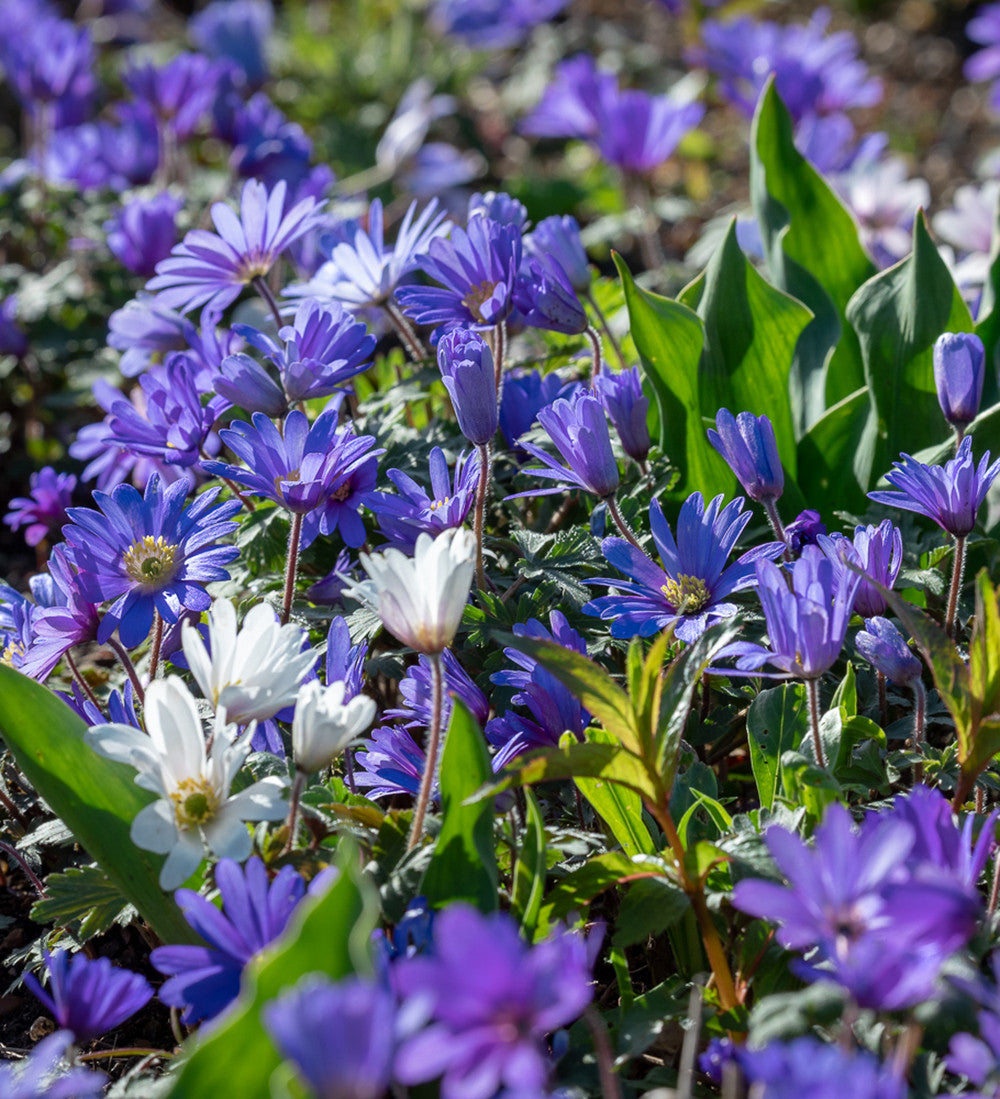
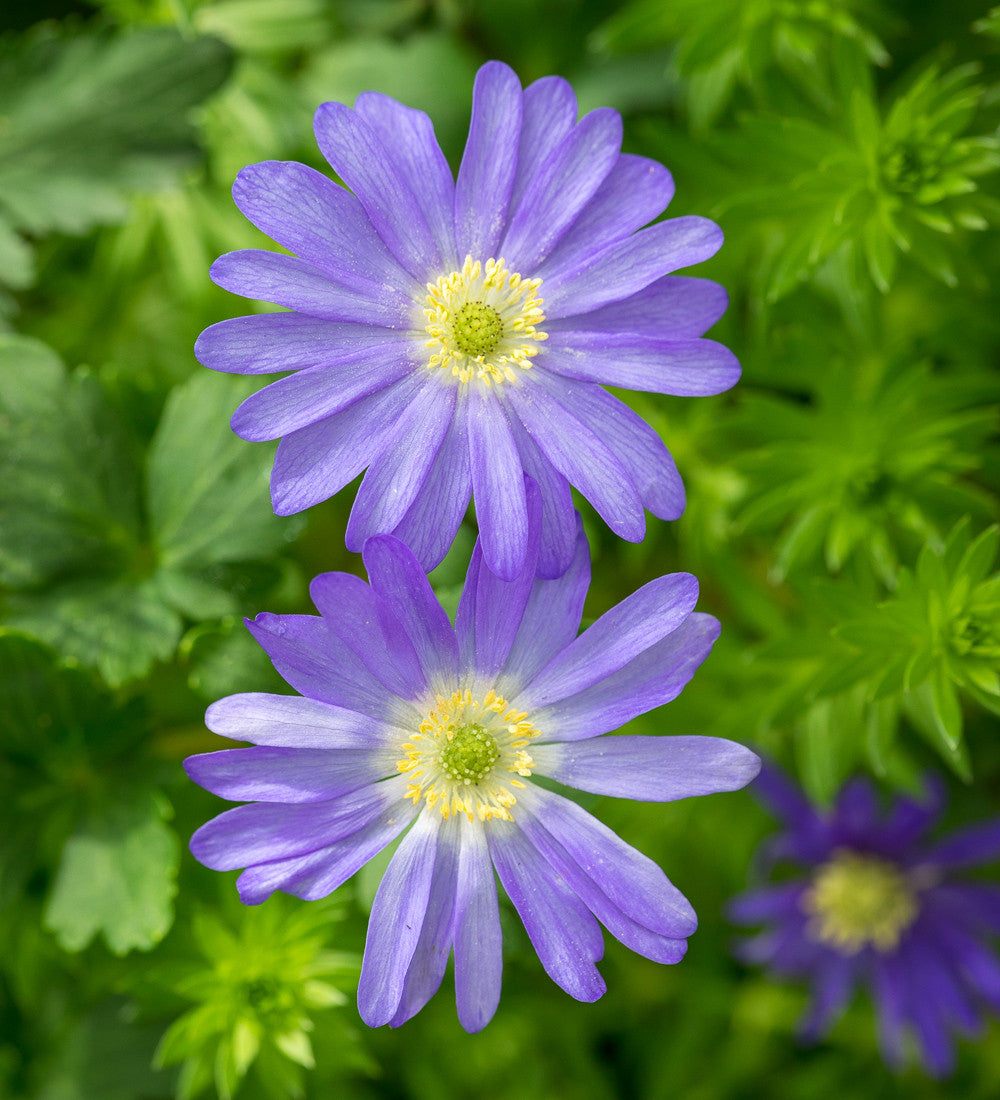
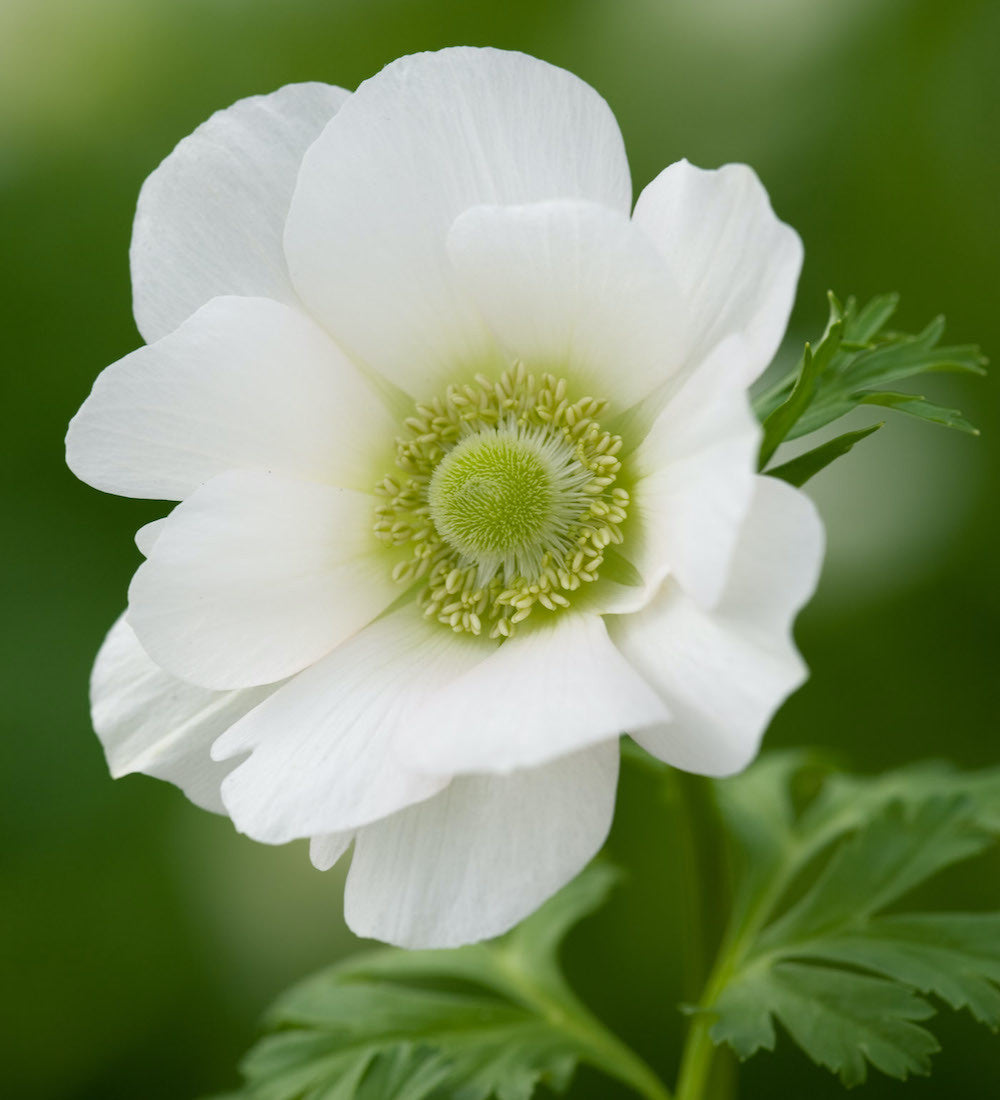
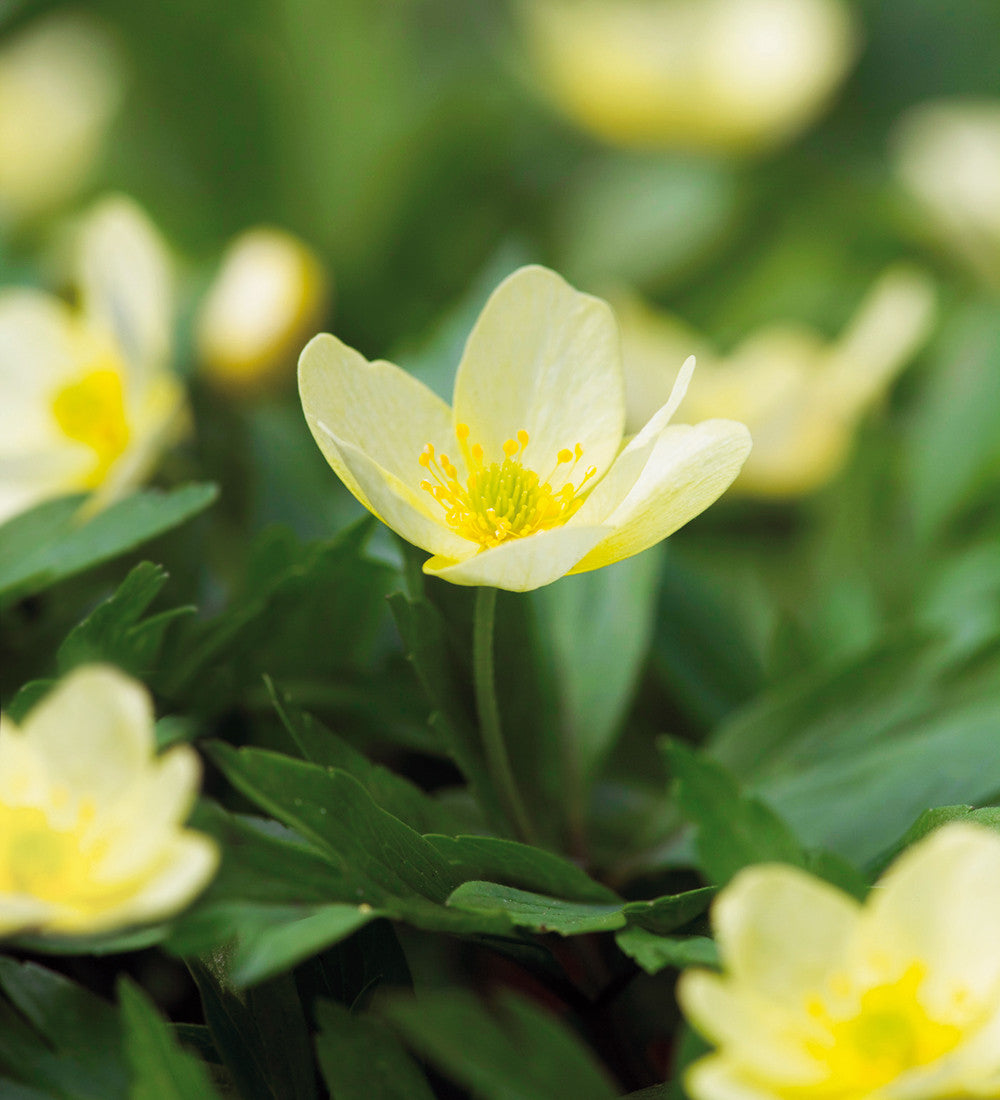
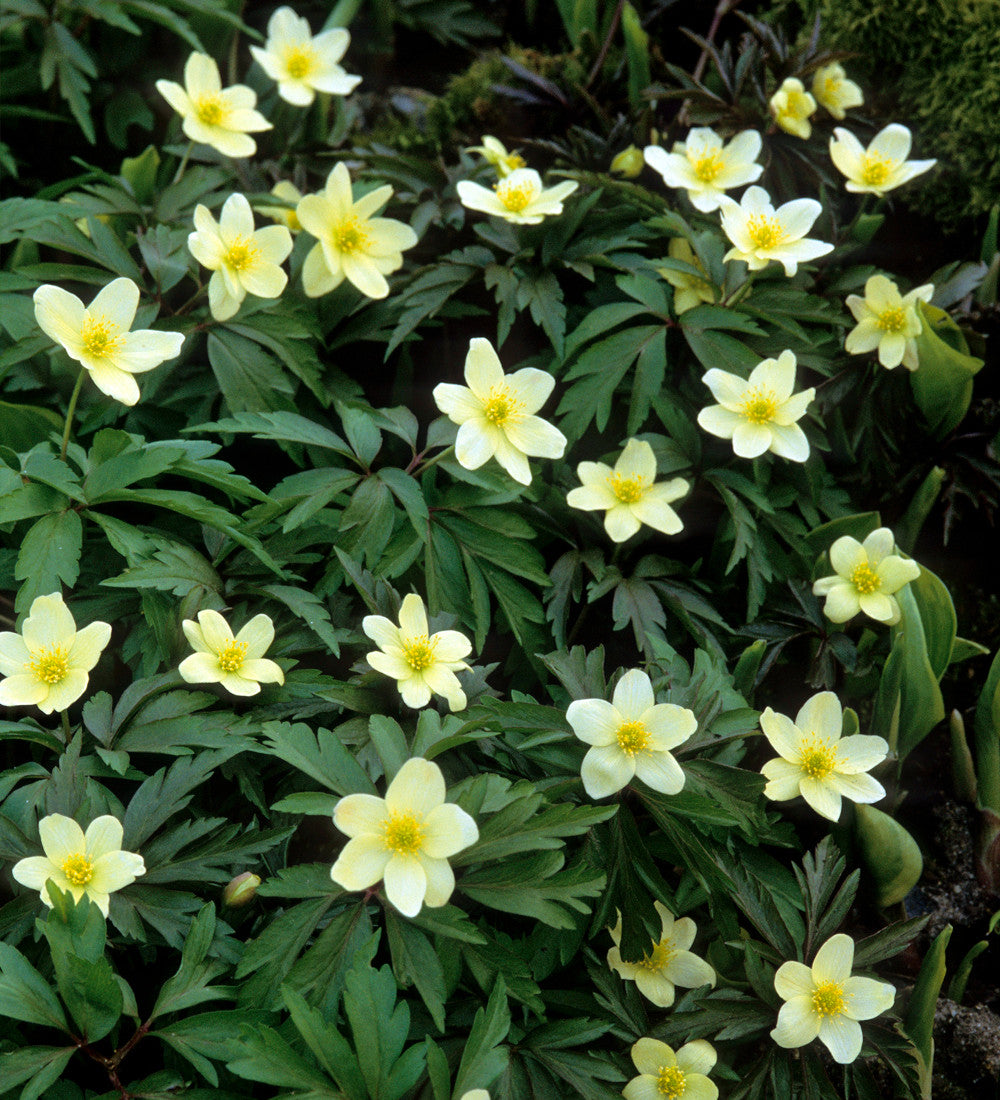
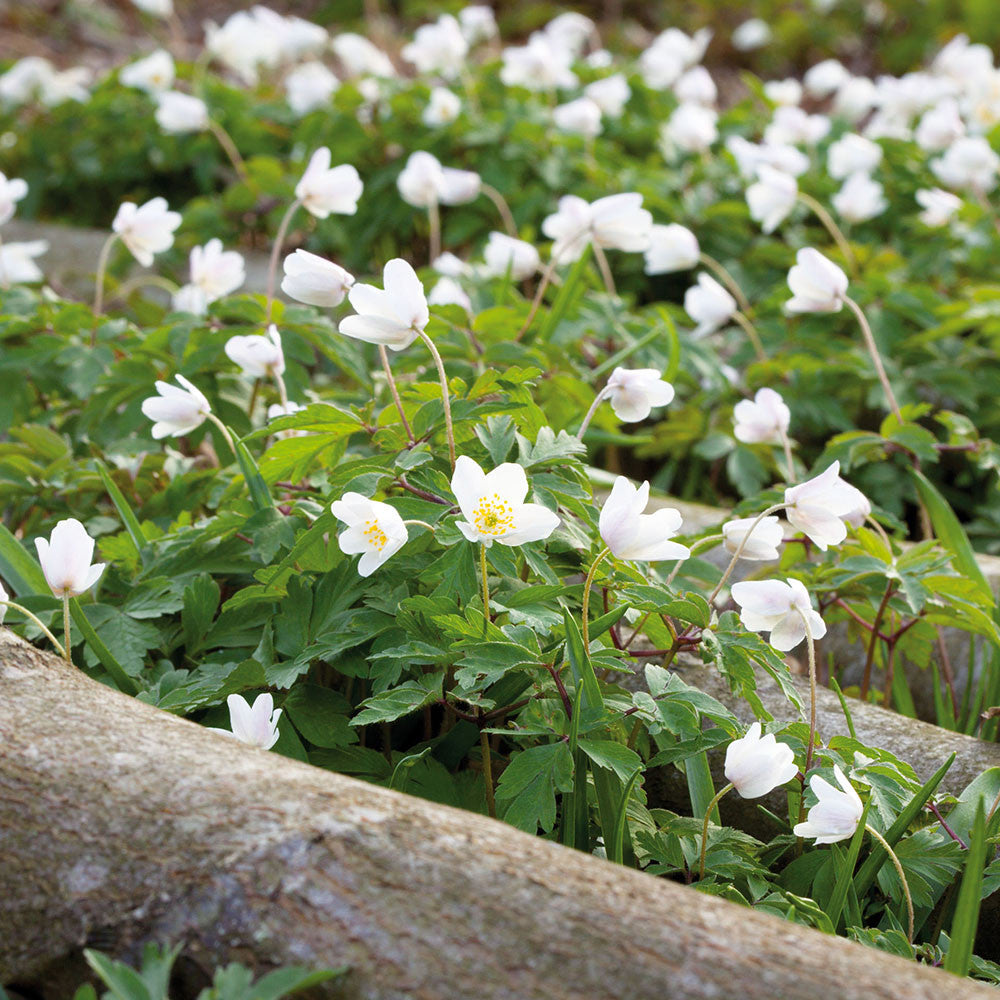
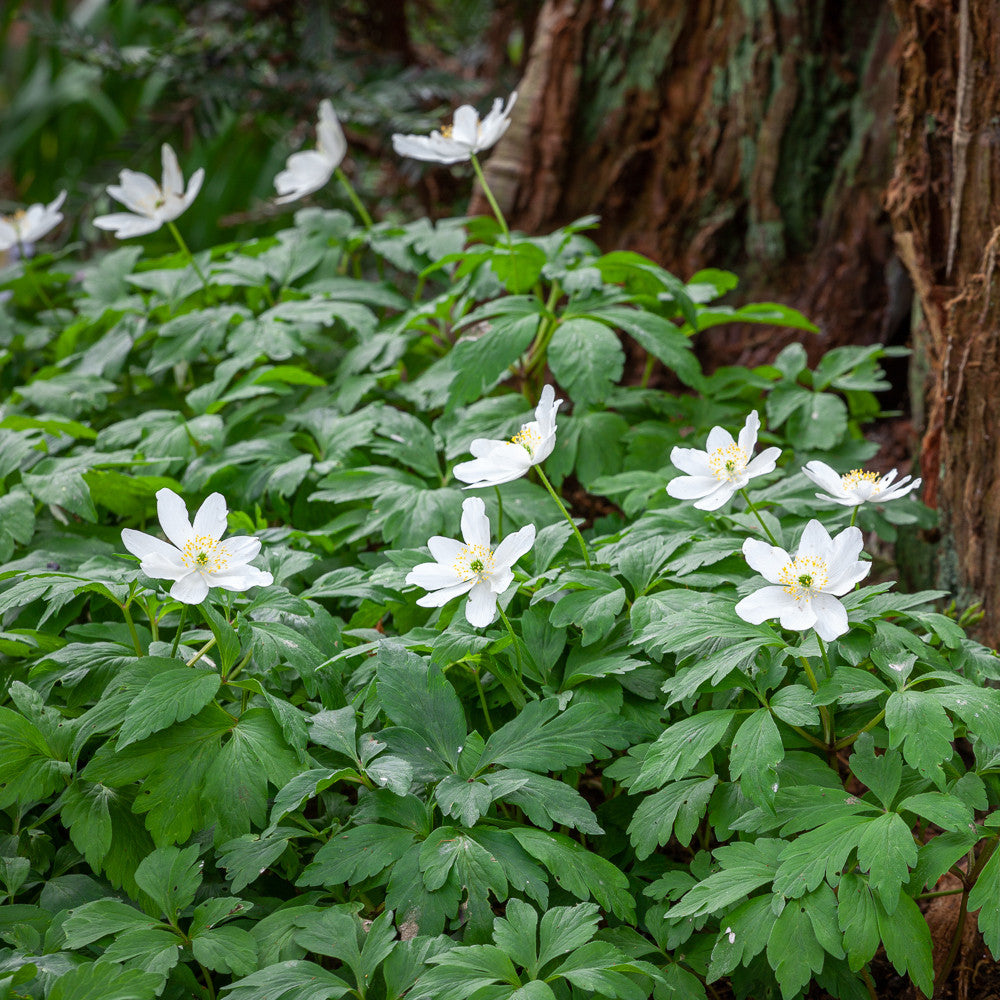
Drifts of delicate wild wood anemones (Anemone nemorosa) are a heart-lifting sight in spring – pure, simple and pretty they can be planted to weave among showier bulbs. Over the years, in the right conditions, they will colonise until there’s hardly a patch of bare ground. Their near relative Anemone blanda has larger flowers and more colour variations. It mixes well with wild wood anemones, self-seeds prolifically and is perfect for early spring displays when grown in pots.

Anemone coronaria is the vibrantly colourful flower that you buy in bunches from the florist. They are easy and rewarding to grow in pots or in the garden and planted regularly will provide cut flowers for months on end.

Jan J
Feb F
Mar M
Apr A
May M
Jun J
Jul J
Aug A
Sep S
Oct O
Nov N
Dec D
Planting
Flowering
Spring
  • Enjoy the arrival of Anemone nemorosa and Anemone blanda flowers.
  • Plant Anemone coronaria outdoors for summer picking.
  • Pick autumn sown Anemone coronaria.
Summer
  • Anemone nemorosa and Anemone blanda will go dormant in summer and disappear entirely.
  • Pick, pick, pick Anemone coronaria and liquid feed when in flower.
Autumn
  • Plant new Anemone nemorosa and blanda corms and add a topdressing of leaf mould to established areas.
  • Plant Anemone coronaria in pots and outdoors in milder areas.
Winter
  • Ensure Anemone coronaria in pots are kept in a frost-free place.


The wood anemone (Anemone nemorosa) prefers a dampish soil, thick with the organic matter that you'd expect to find on the floor of a deciduous wood, so add lots of leaf mould to their planting area. It also has a wide pH tolerance, occurring in the wild on almost all types of soil so, once in, they should do well.

The Anemone blanda group likes good drainage, in light shade with loose, leafy soil so, when planting in dense areas, try to mix in plenty of leaf mould. A light, sandy, free draining soil is ideal for Anemone coronaria.

Plant Anemone nemorosa and Anemone blanda in light shade in a spot where they won’t be disturbed so that they can spread. Plant Anemone coronaria in full sun. To flower best they need good light intensity, and will sulk in a dull corner.

Plant Anemone blanda and Anemone nemorosa in September and October. Plant Anemone coronaria in spring for flowers in early summer, in early summer for autumn and in autumn for spring flowering.

Anemone nemorosa rhizomes look like little twigs so plant flat, 2cm deep and 8cm apart. Make sure to soak them before planting. They will double in size and start growing more quickly than if planted dry.

With Anemone blanda it can be difficult to tell which side is up, but don’t worry, the leaves will find their own way to the surface. Plant your corms 8cm deep and 8cm apart. Soak blanda corms for 3-4 hours before planting.

In containers

Plant as above but 5cm apart (and a good 10cm away from the edge of the pot) in a loam-based compost with added leaf mould and top with sharp grit.

Watering

Water Anemone nemorosa and Anemone blanda well when planting, they should not need further watering unless grown in pots.

For Anemone coronaria, water well when planting in pots and moderately in early growth, overwatering is more of a problem than underwatering.

Keep anemones dry during their dormant period.

Fertilising

Give Anemone nemorosa and Anemone blanda a liquid feed if you are growing them in pots. For anemone coronaria you can use a liquid feed, like liquid seaweed, when in flower.

Staking

You will not need to stake wood anemones or Anemone blanda. Anemone coronaria grows to a slightly taller height and twiggy support can be used if needed.

Deadheading

Deadheading is unnecessary for Anemone blanda and wood anemones. With Anemone coronaria, if you haven’t picked them all to bring indoors, cut back any that have finished flowering to encourage more flowers.

Propagating

Left to their own devices, Anemone nemorosa and Anemone blanda will spread over time. Anemone nemorosa is quite a slow coloniser and can take years to spread more than a few feet.

Anemone blanda readily self-sows. I first had a pot of the blue-flowered Anemone blanda on the doorstep outside my office at Perch Hill five years ago. After flowering the pot was moved to the Oast garden and from that small pot most of the spring Oast garden is a now a sea of blue. The seeds blow around and settle into any chink in your planting, taking hold and then gently spreading from there. 

Lifting & transplanting

Once Anemone nemorosa and Anemone blanda are well-established you can lift a clump and move it to another spot in the garden in spring, once they have finished flowering.

Anemone coronaria can be lifted and dried after flowering. Lift and dry anemone coronaria every two years, then replant. Soak the corms before planting.

Overwintering

Anemone nemorosa and Anemone blanda are perfectly hardy, so pots can be left where they are overwinter.

If growing Anemone coronaria in pots, once they have finished flowering allow them to dry out and go dormant before starting them into active growth again.

Slugs & caterpillars

Watch out for slugs and caterpillars, they can damage anemone plants. Pick them off by hand when you see them. You can also use harmless slug repellents such as wool pellets, which form a natural barrier to slugs. 

Eelworms

Eelworms are tiny pests that travel through the plant, turning leaves yellow and distorting and stunting growth. Dig up affected plants and dispose of them – don’t compost.

Powdery mildew

Powdery mildew can affect plants growing in the shade, like Anemone nemorosa or Anemone blanda, or where the air is always still. Remove any affected leaves.

Why are my anemones dying?

Once anemones have flowered, they die right back and go dormant – there is no need to worry.

Why are my anemones not growing?

If the corms are dry when you plant them, they probably won’t grow – make sure you soak them before planting. On the other hand, you may have overwatered them which can cause the corms to rot.

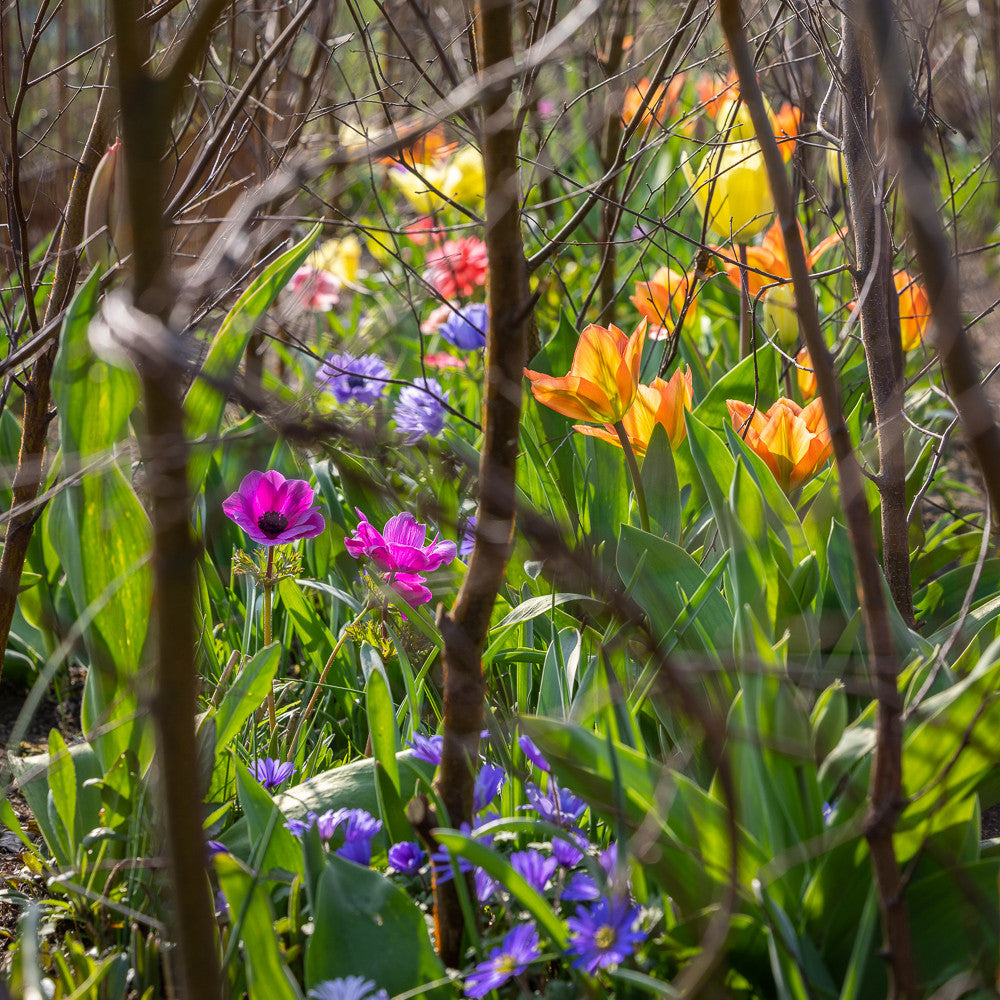
Grow wood anemones and Anemone blanda with other spring flowers and bulbs. Anemone coronaria looks fabulous popping up among other sun-loving cottage garden plants.

  • Yes, anemones are poisonous to pets like cats and dogs.

  • Yes, they will reappear year after year if given the right care. However, it is not recommended that you plant Anemone coronaria outside in cold regions where soil gets deeply frozen – they may not survive the winter.

  • Anemone coronaria loves sunshine and should be situated in full sun. Light shade is fine for Anemone nemorosa and Anemone blanda. These anemones are happy in deciduous woodlands so a mix of sun and shade is ideal.

  • Yes, Anemone nemorosa and Anemone blanda rhizomes and corms will spread and multiply, as well as colonising new areas by seed. Anemone coronaria will self-seed in the right spot.

  • Yes, Anemone coronaria do very well in pots. Anemone nemorosa and anemone blanda can be grown in pots but are happier in the ground.

  • Yes, Anemone nemorosa and Anemone blanda are fully hardy. Anemone coronaria don’t mind the cold, but when grown in pots they need protection from winter wet.

  • No, anemones are poisonous to deer and squirrels so they tend to avoid them.

  • Yes, Anemone nemorosa and Anemone blanda don’t like to be disturbed. If you leave Anemone coronaria in the ground, it’s a good idea to add a protective mulch or use a cloche.

  • Yes, Anemone coronaria will reliably flower in its first year. Top size corms of Anemone nemorosa and Anemone blanda will flower in the first year.

Sear anemone stem ends in boiling water for 15 seconds and they last, and hold their petals, for up to a week.

Anemone coronaria are lovely cut flowers, colourful and bright and will last for two weeks if kept cool and have a drop of bleach added to the water. They make a zingy duo with the searingly bright hyacinth, 'Jan Bos' (it is easy to force into flower around the same time) and then later in spring combine with wallflowers, euphorbias and a few snakeshead fritillaries in a hand-tied bunch.

Spend a further £60 to receive free standard delivery

Your basket is empty.