Skip to content

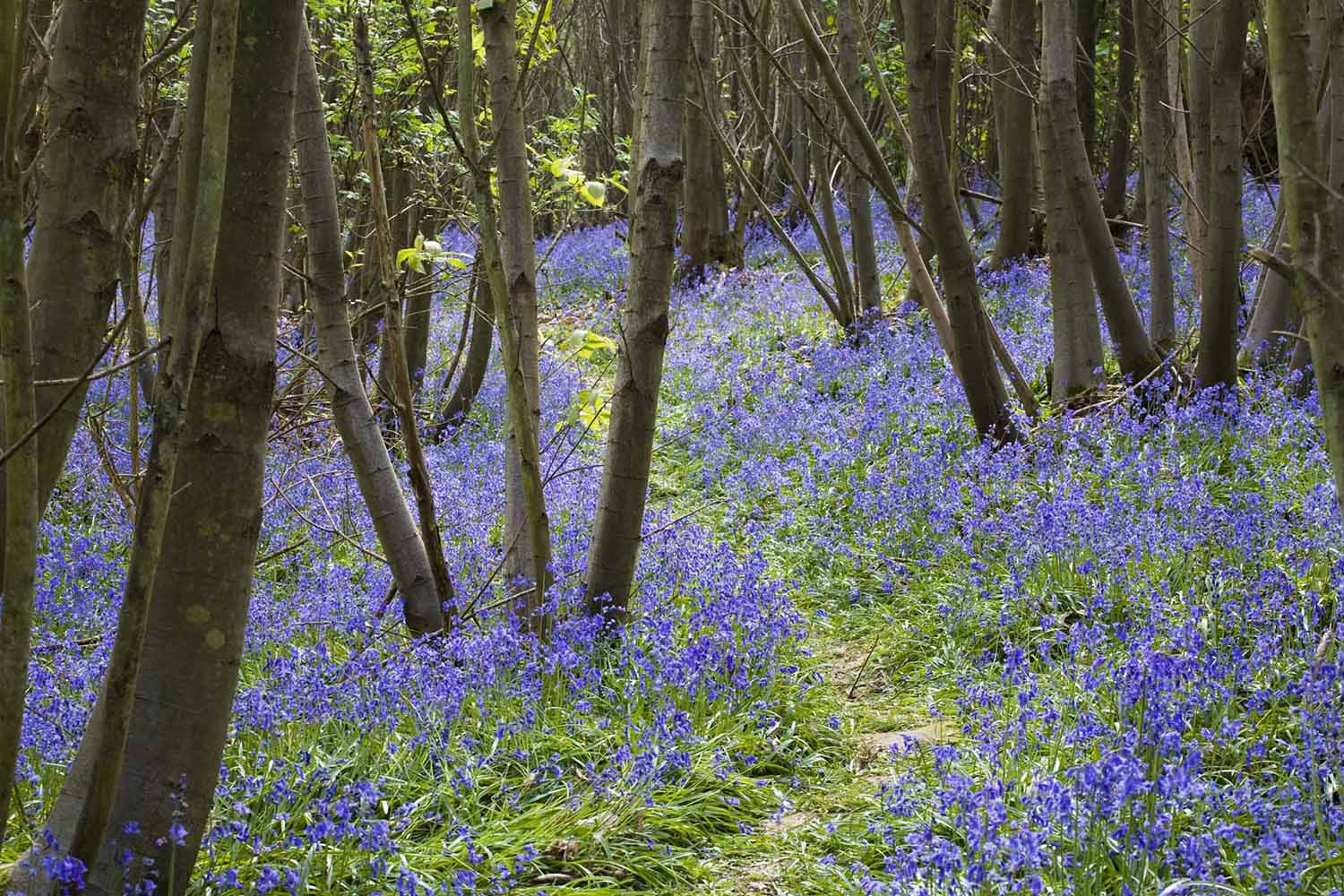
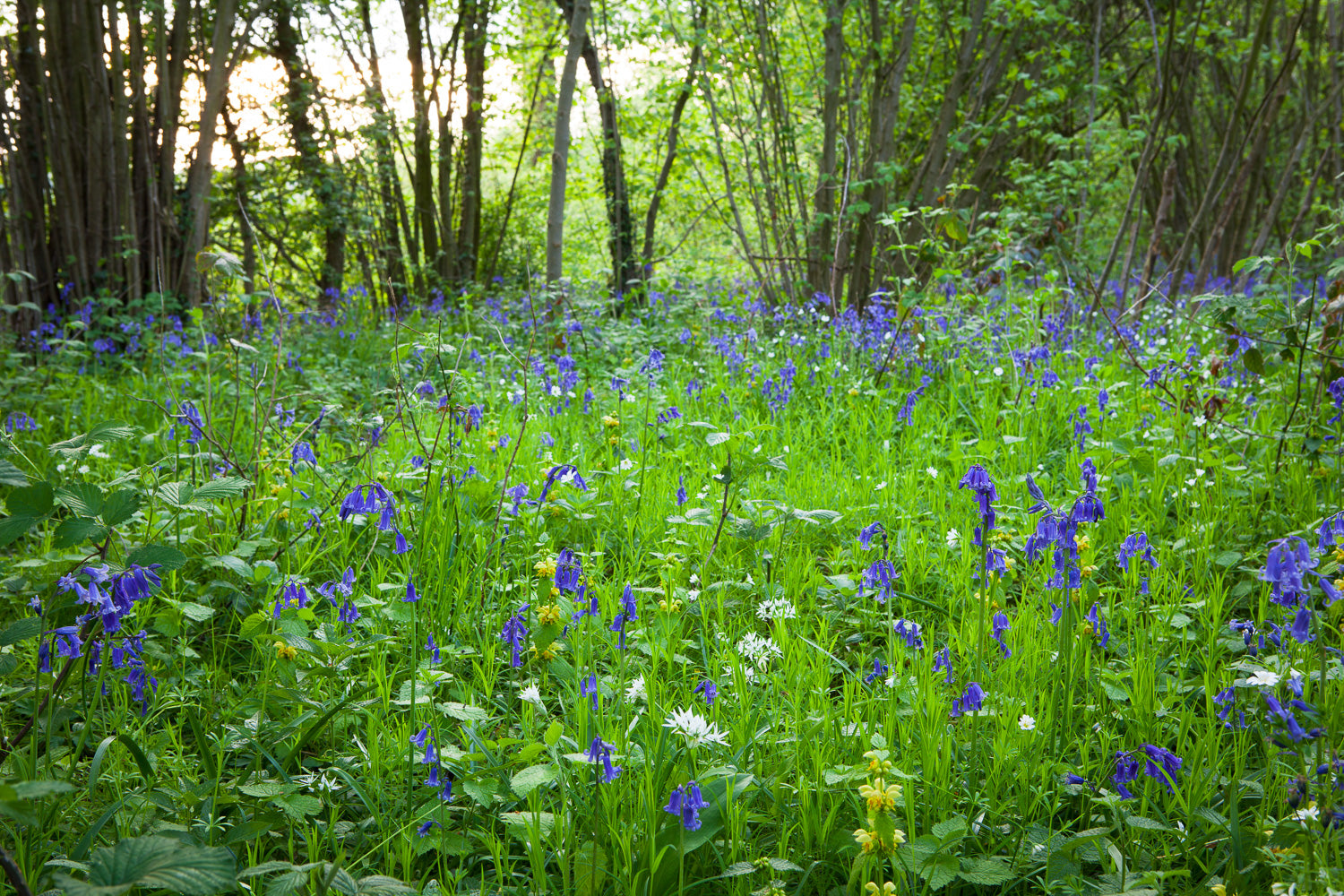
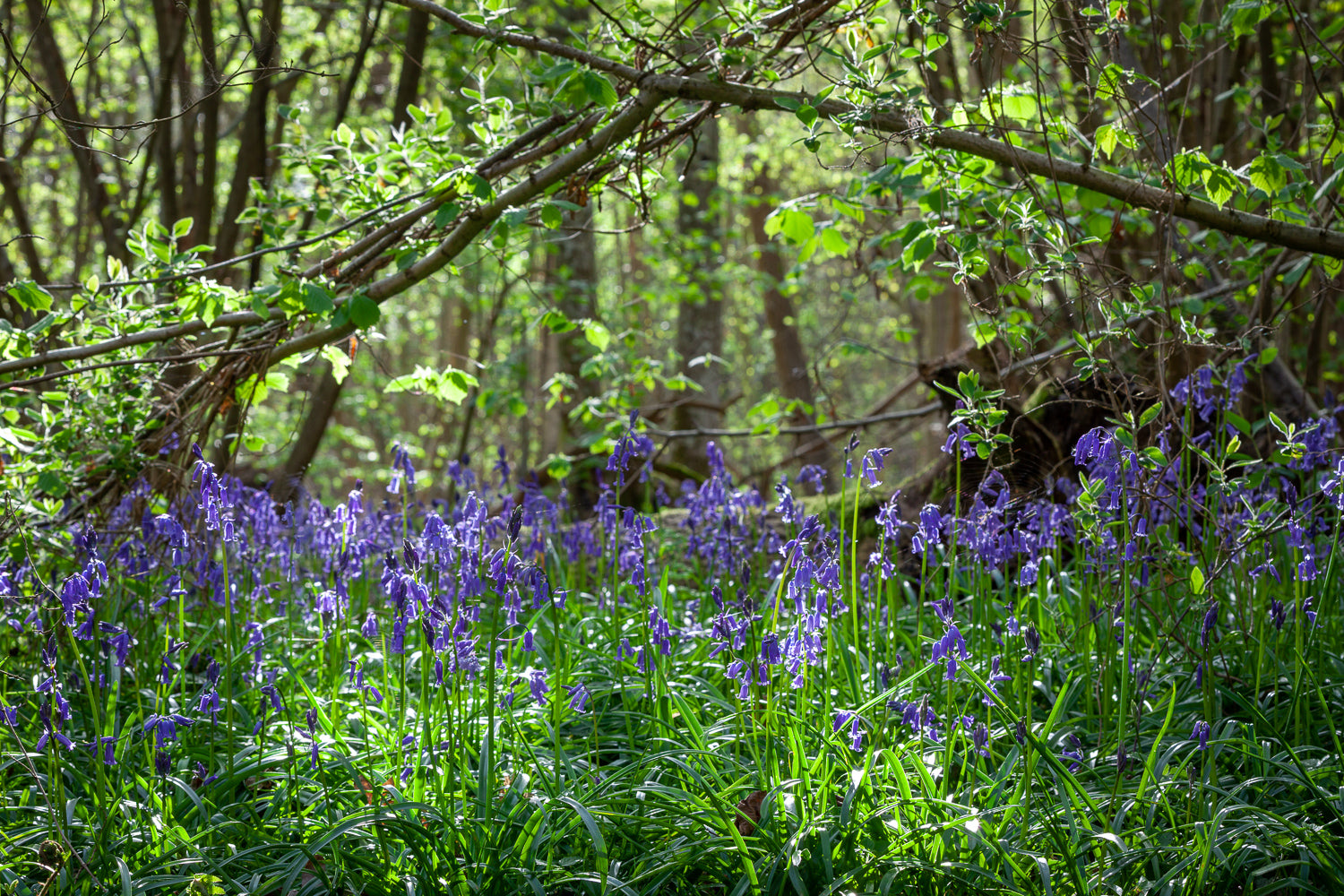
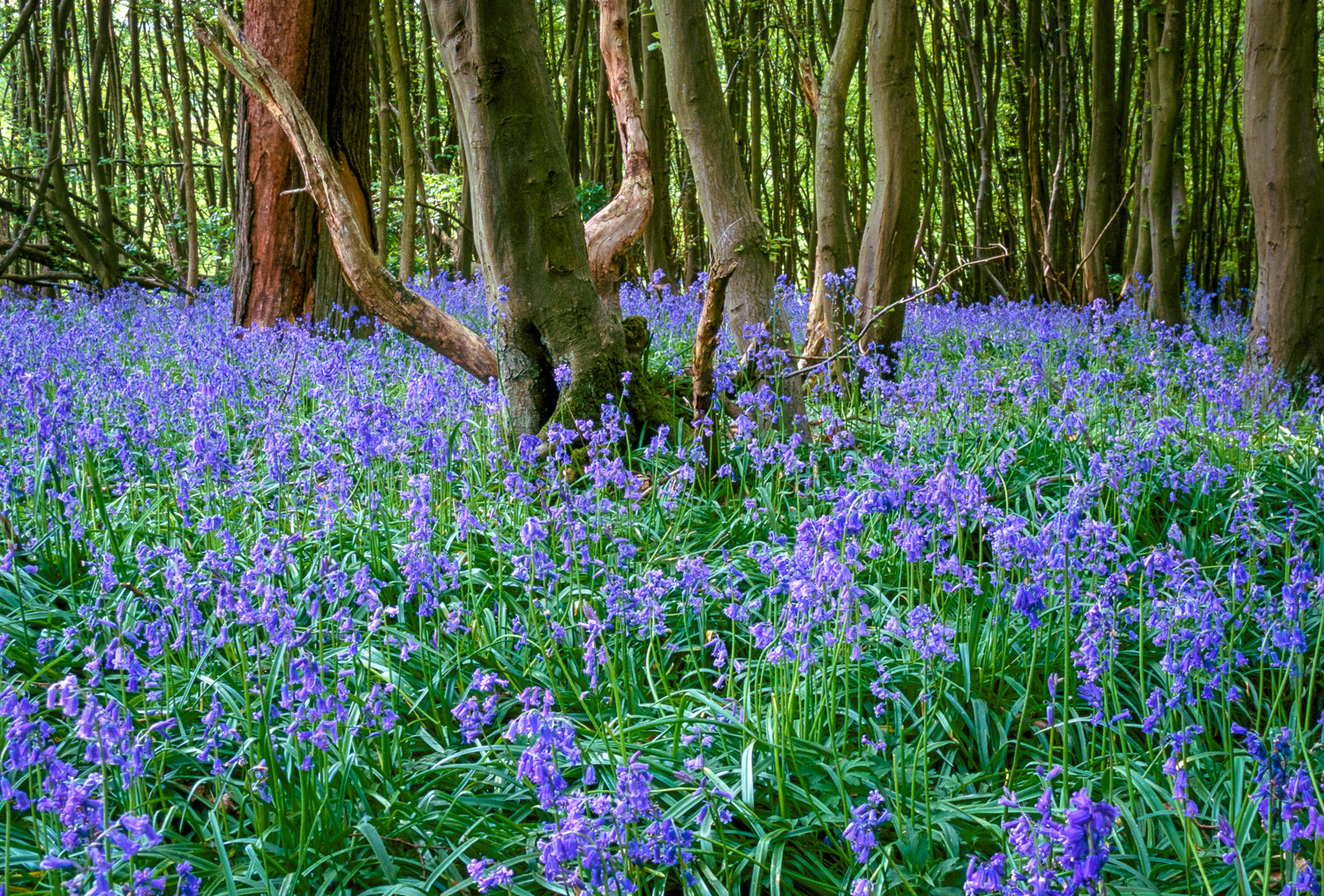
There’s nowhere better than a bluebell wood in April. We’re very lucky, as these magical places are unique to the Atlantic seaboard of Europe, and we get to enjoy incredible bluebell carpets pumping out that very subtle but totally unforgettable bluebell scent.

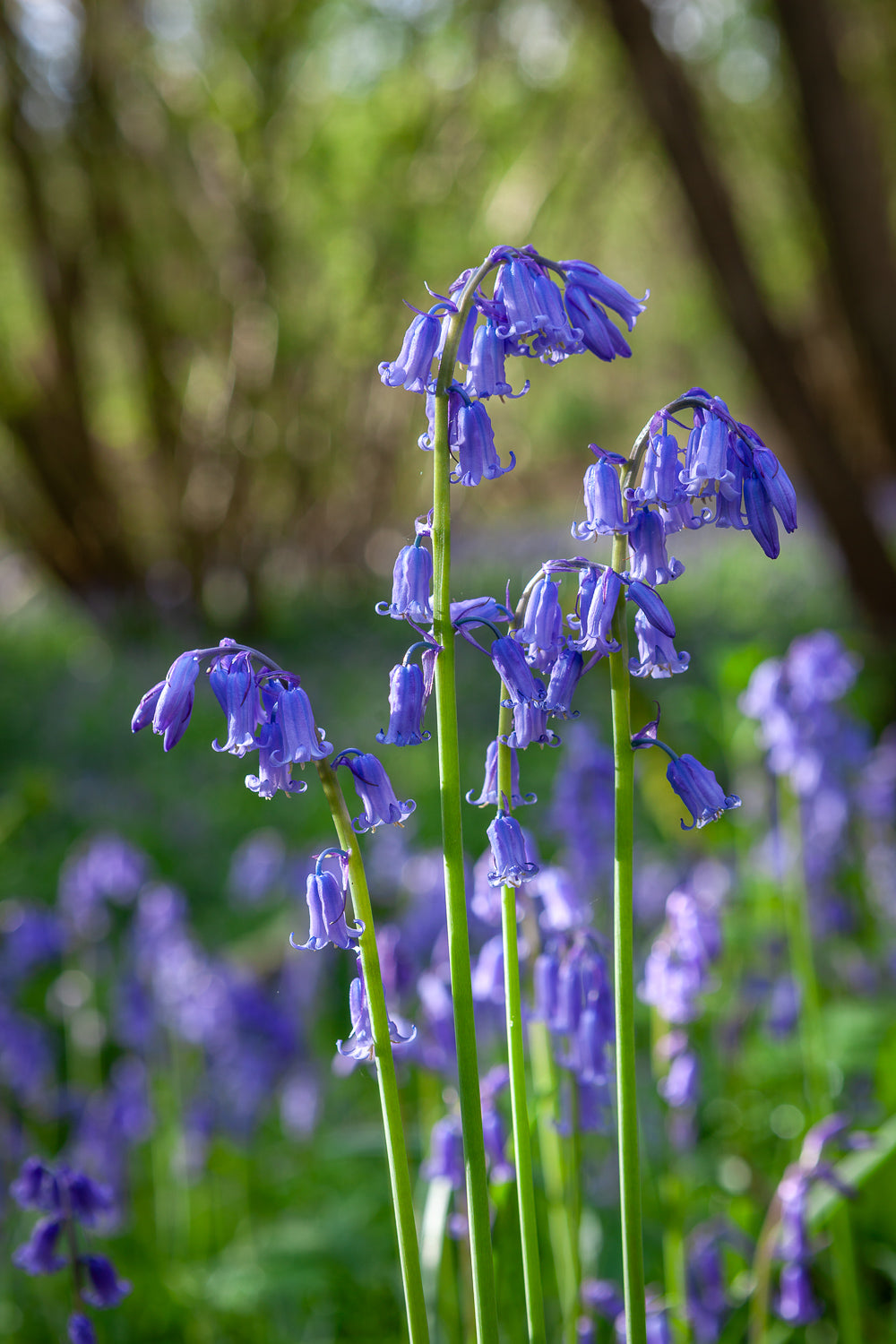
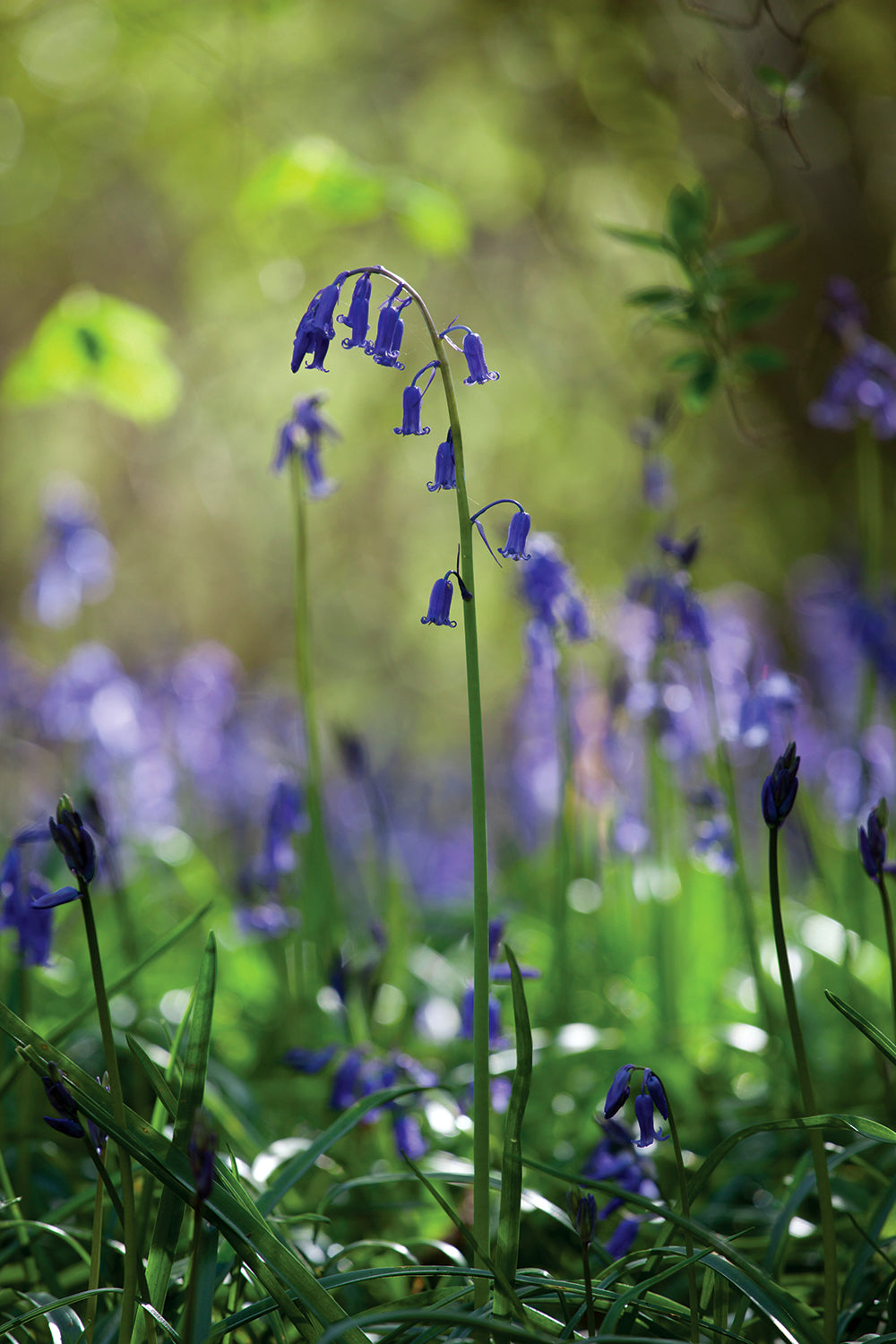
Bluebells flower from late April to May, and those classic nodding flowers are full of nectar for moths, bees and butterflies. I love their delicacy, their colour and their seasonal abundance. Plant your own mini bluebell wood, and you too will love them forever.

Be wary of the Spanish bluebell, Hyacinthoides hispanica, as this is vigorous and very difficult to eradicate when established in gardens. It also cross-breeds with our native bluebell and will soon swamp any colonies in your garden or near-by areas.

We sell the true cultivated British bluebell, not the chunkier, unscented Spanish garden form, and you can buy bulbs in the green ready to plant out in spring, or dry bulbs that should be planted in autumn ready for the following year.

Last updated: 4th Mar 2025

Jan J
Feb F
Mar M
Apr A
May M
Jun J
Jul J
Aug A
Sep S
Oct O
Nov N
Dec D
Planting bulbs in the green
Planting dry bulbs
Flowering
Spring
  • Bluebells in the green can be planted out in the garden in late spring in pots, in grass and borders.
Summer
  • Leave foliage in place until it has completely died back before tidying up.
  • If you are lifting and dividing bulbs, do this in late summer.
Autumn
  • Dry bluebell bulbs can be planted directly outdoors.
Winter
  • Order bluebells in the green to plant in the spring.

Bluebells can cope with most soils, but prefer a moist, well-drained soil that is rich in organic matter. Add plenty of well-rotted manure, leaf mould or garden compost prior to planting.

Bluebells are woodland lovers so plant in part shade, ideally below deciduous trees or shrubs. A woody area or shrubbery is best, alternatively plant against a damp shady wall.

Bluebells in the green should be planted on arrival in spring; dry bulbs should be planted in autumn.

Plant your bluebells as soon as they arrive. Choose an area of dappled shade, ideally under a deciduous tree. Plant your bluebells at the level that they were planted before they were lifted, which you’ll see from where the leaves turn white. This will be at a depth of about 10cm (4in). Space them about 10cm (4in) apart. Water well after planting.

Bluebells in the green can take several years to establish after transplanting. It is not unusual to have only leaves in the year following transplanting, even if the plants are in flower when received from us. This is because the bulbs are re-establishing their root systems and do not divert strength to producing flowers.
Watering

Bluebells generally don’t need to be watered unless there is a prolonged period of drought, in which case, keep an eye on bluebells in containers which may need a light water.

Deadheading

After flowering has finished for the season leave the foliage in place; don't cut it off. If they are naturalised in grass, avoid mowing until the leaves have fully died back. The leaves will gather sunlight, create food through photosynthesis and strengthen the bulbs for the future.

Dividing

Over time, bluebells will gradually self-sow and naturalise – you can lift and divide them in late summer, or just leave them to get on with it.

Bluebell rust

Bluebell rust is a fungal disease that can affect bluebells. The main symptom is brown and yellow spots made up of pustules on the leaves, which can lead to a lack of plant vigour. Remove any affected leaves as soon as you spot them.

Why are my bluebells not flowering?

Bluebells in the green can take several years to establish after transplanting. It is not unusual to have only leaves in the year following transplanting, even if the plants are in flower when received from us. This is because the bulbs are re-establishing their root systems, and do not divert strength to producing flowers.
It’s also important to plant bulbs somewhere free of foot traffic – stepping on bluebells can compress damage the foliage (so then the bulb doesn’t get fed), which can compromise them and actually kill the bulb.

Why have my bluebells turned white?

White flowered English bluebells are a genetic mutation of the bulb and very rare, while white flowered Spanish bluebells are a common variety.

  • Bluebells are in flower in April and May.

  • Bluebells flower for about two months.

  • Plant your bluebells at the level that they were planted before they were lifted, which you’ll see from where the leaves turn white and is likely to be around 10cm (4in) deep. Plant dry bulbs at least 15cm (6in) deep.

  • Plant bluebell bulbs with the pointy tip facing upwards.

  • Bluebell seeds can take up to 6 months to germinate and will need a further year or two before they can be planted out while dormant. They take about 4 to 5 years to reach flowering.

  • Yes, bluebell bulbs can multiply year on year and can also spread via seed.

  • Bluebells love woodland and the shade of a deciduous tree.

  • If eaten, bluebells can be harmful to dogs, other pets and humans. Bluebells are deer, rabbit and squirrel resistant, so they may be planted in areas with wildlife.

  • You can lift bluebell bulbs with a garden fork in summer to reduce their numbers. You can also deadhead the flowers before they drop their seed.

  • It can take a couple of years for bluebells to establish. If they are thriving in a suitable position, they will start to spread over the next couple of years.

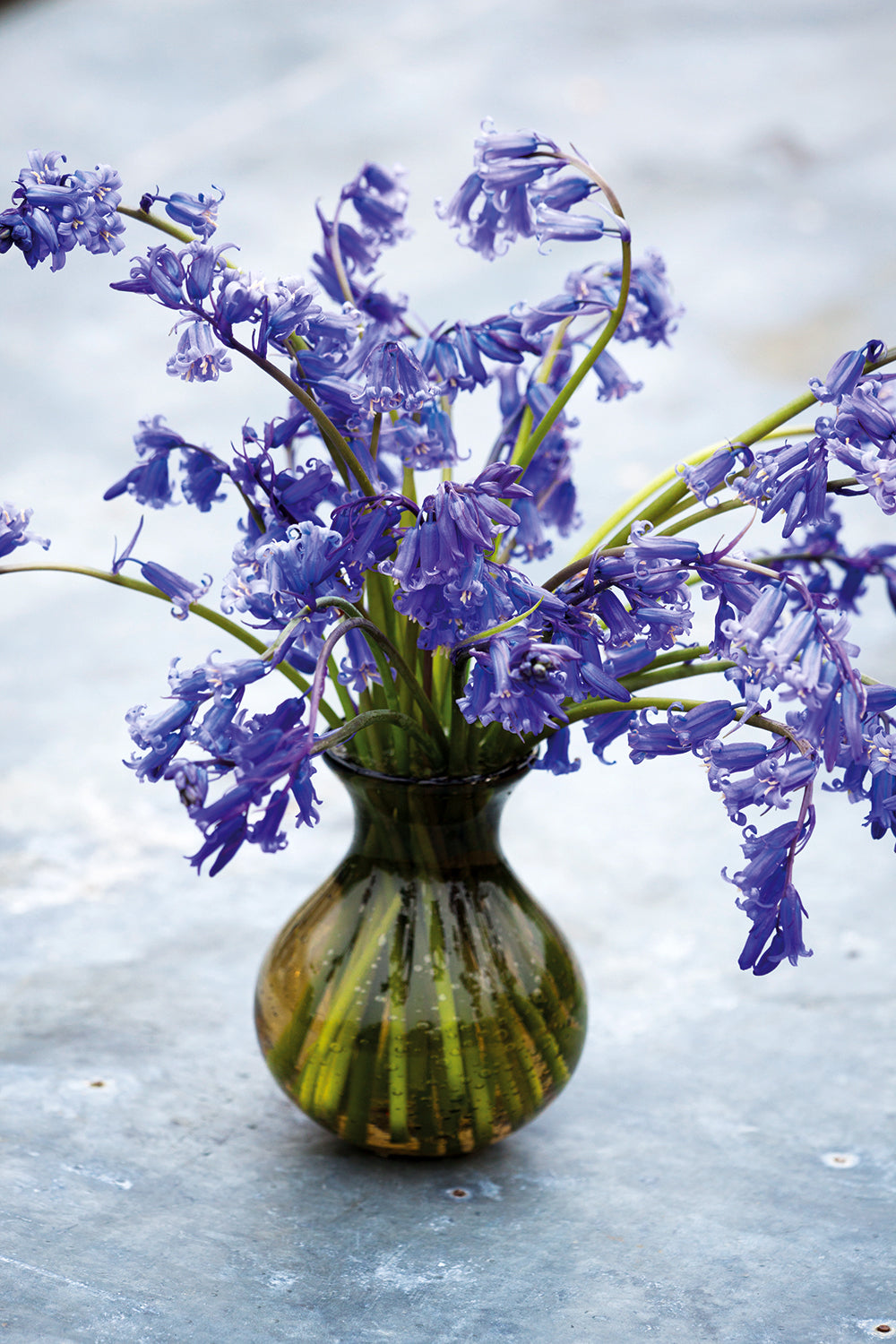
Pick bluebells when they first emerge for the longest display indoors. Cut the stem above the white part of the stalk so as to not damage the bulb. Sear the stem ends for 20 seconds in boiling water. Arrange alone to enjoy their subtle fragrance, or pair with other garden-grown wild flowers such as cowslips.

Spend a further £60 to receive free standard delivery

Your basket is empty.