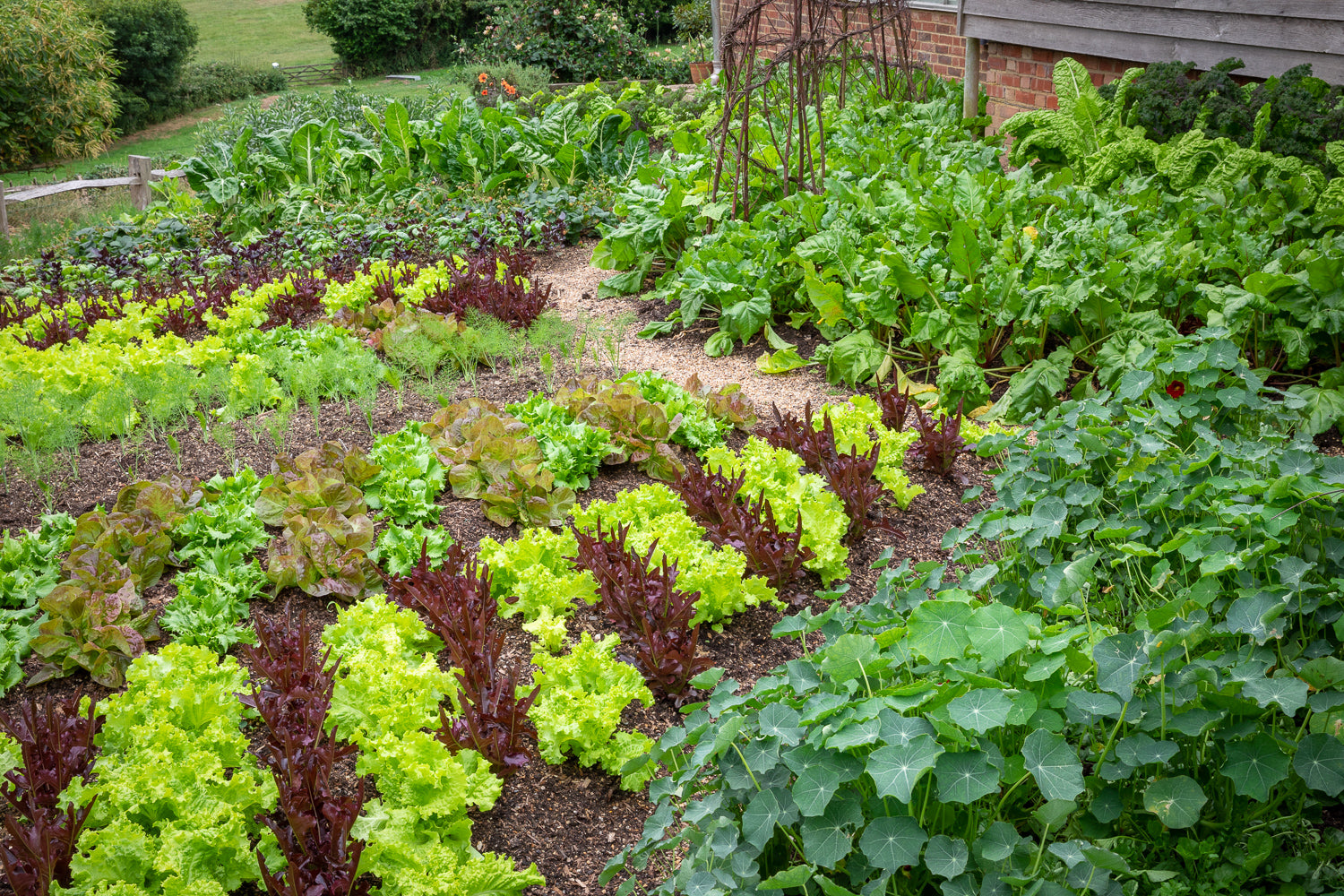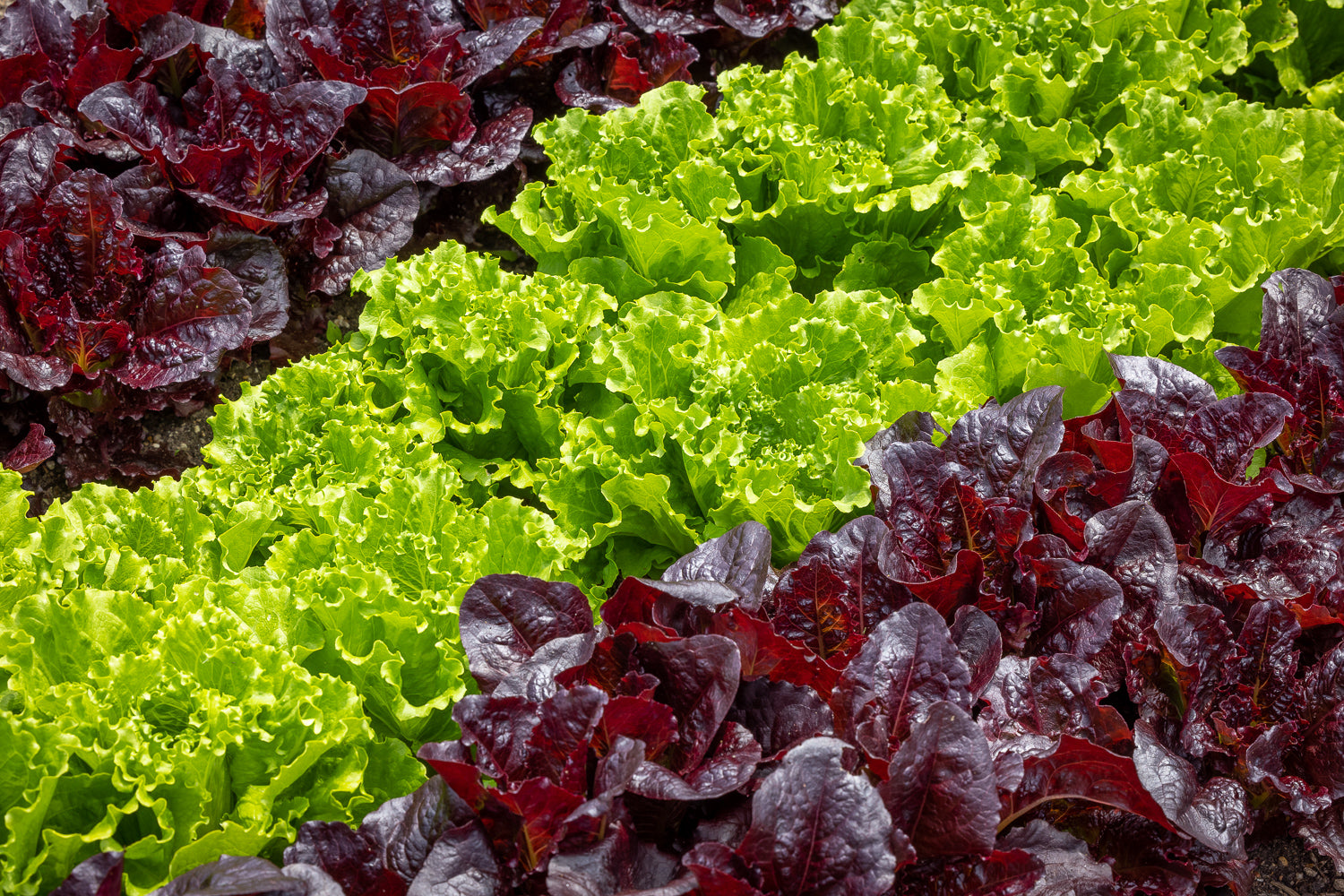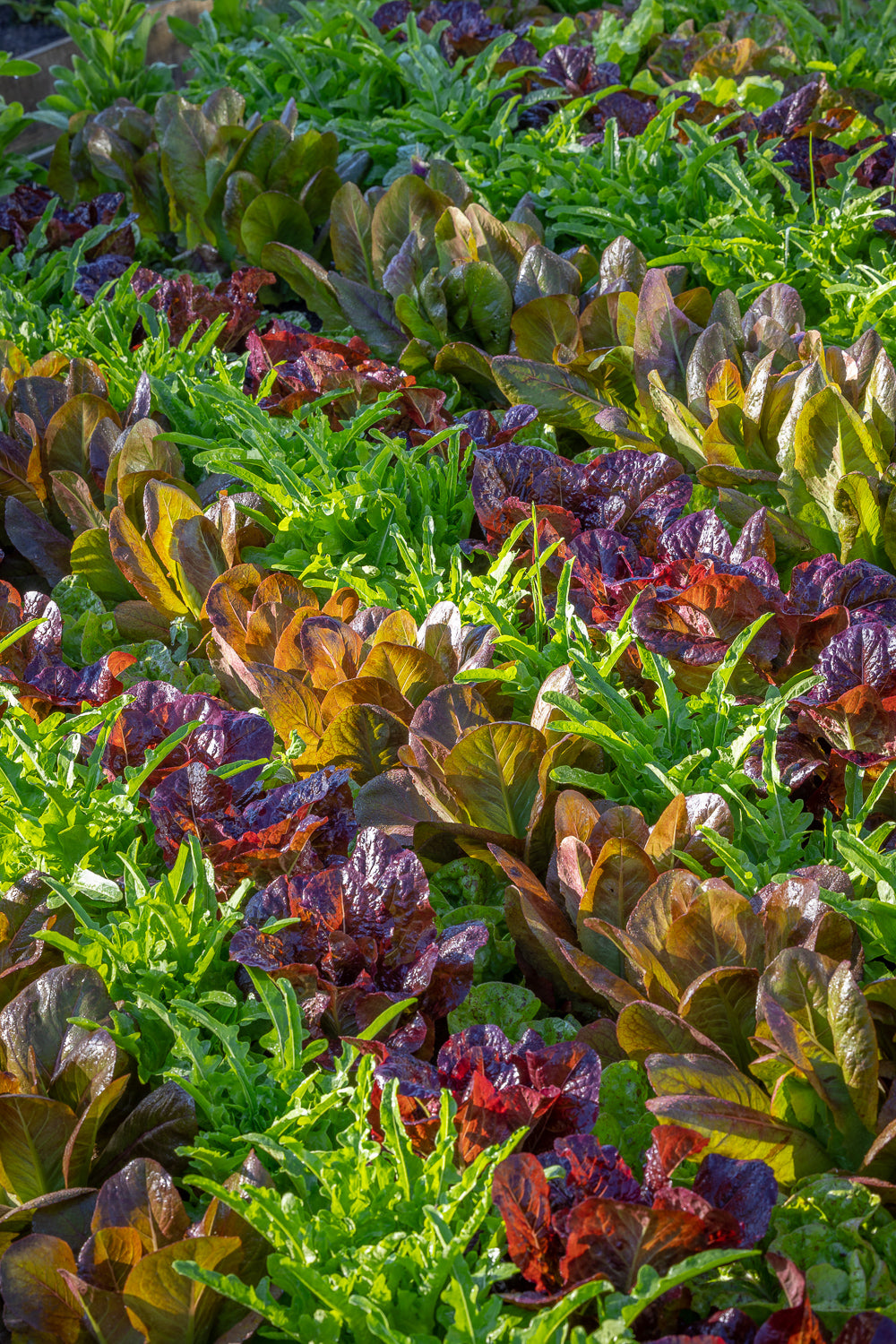
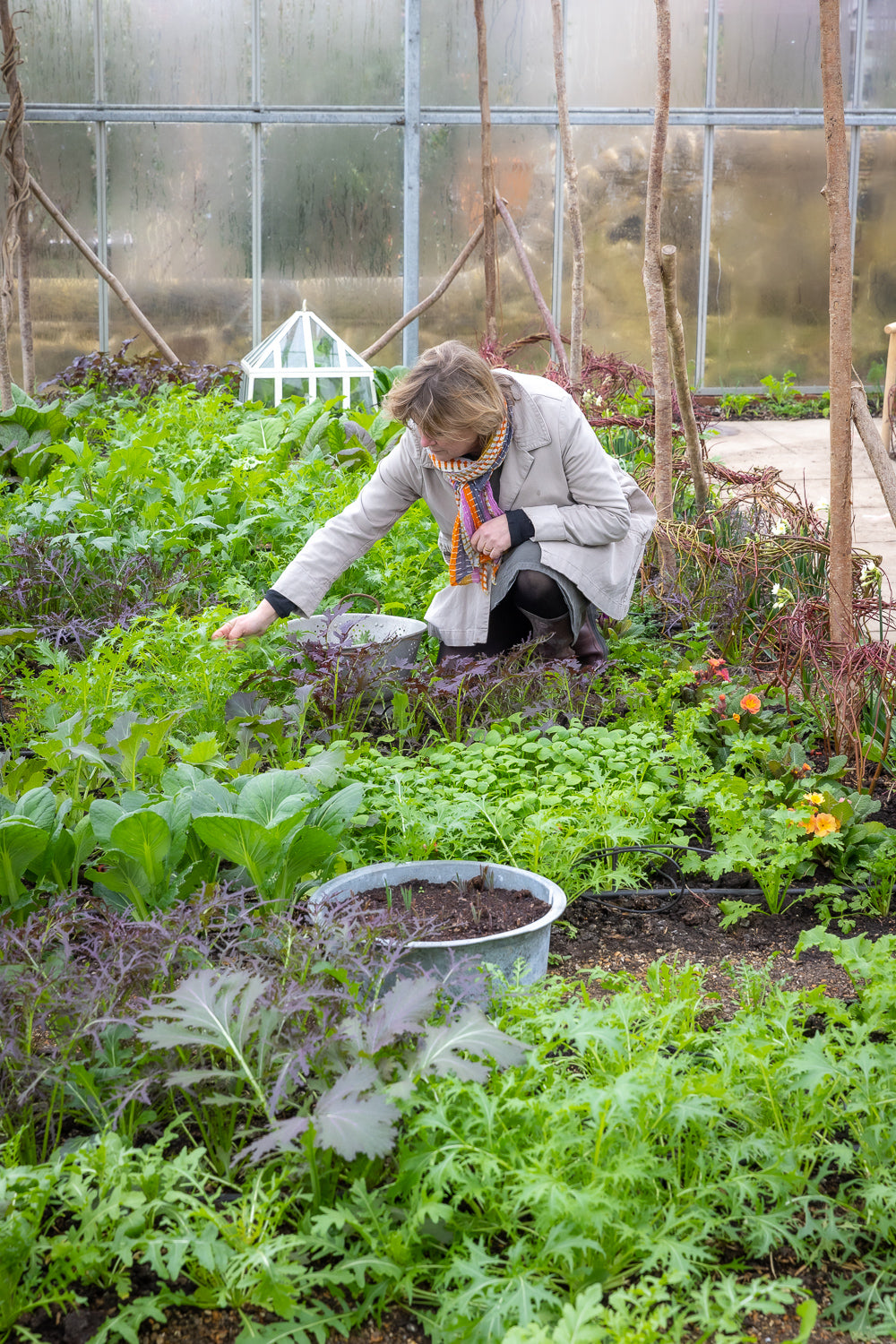
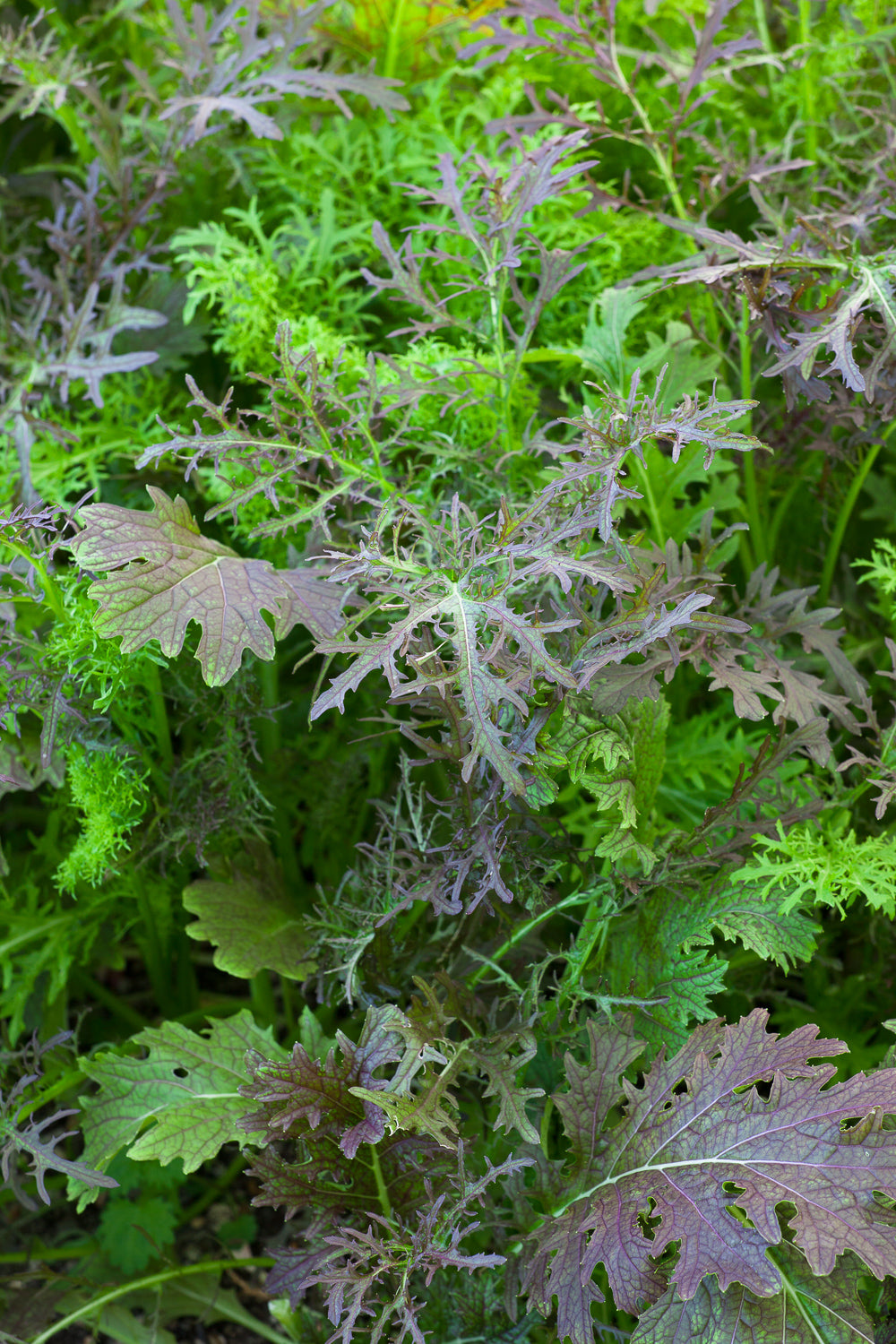
Remember that every lettuce seed you sow has the potential to grow into a whole lettuce, so work out how many lettuces you tend to eat in a month and sow accordingly (allowing for the usual losses from slugs and snails, of course). Sadly, they are one of our most perishable vegetables, and do not preserve well.
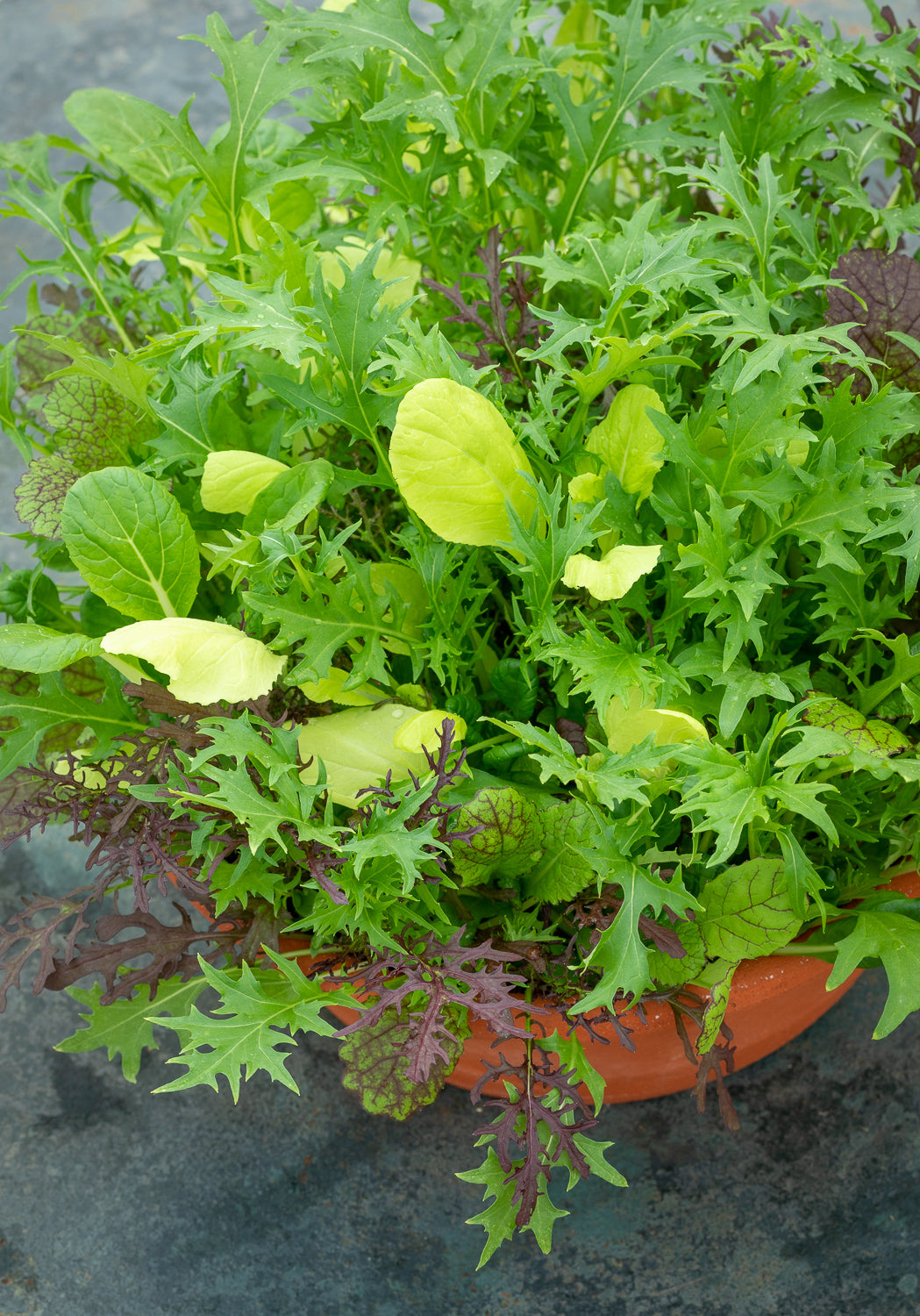
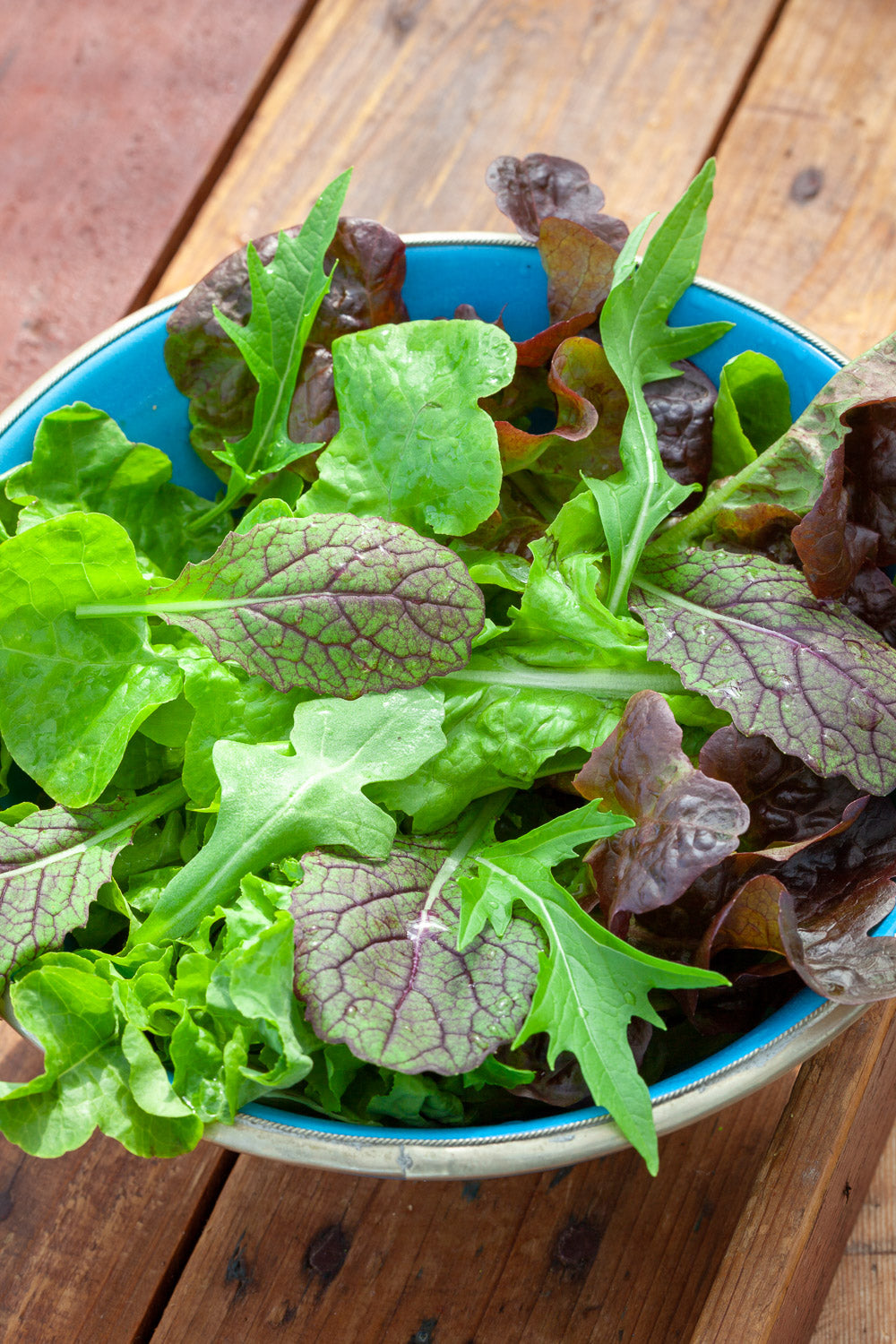
Alternatively, you may prefer to grow the cut and come again types where you pick individual leaves as and when you need them. If that is the case, choose the variety carefully to ensure that it is suitable to be harvested in that way.
The plants will be happiest in a cool north facing bed, where the soil can retain plenty of moisture. Hot weather inhibits germination and increases the likelihood of bolting. Prepare the soil well with plenty of organic matter and ensure you have a finely raked tilth on the surface. If you are direct sowing in rows outside, make a shallow drill of around 1cm deep. In hot dry weather, water the drill before sowing to decrease temperatures and it helps to sow in the evening.
Spread the seed very thinly around 2cm apart and rake a thin layer of fine soil or compost over the top. The seed should germinate in a couple of weeks and will need protecting against slugs and snails. Once the seedlings get to 2-3cm tall you can thin them out to around 15-30cm, replanting the thinnings into any gaps, or eating them as baby leaves.
You can also sow lettuce seeds in modules, seed trays or lengths of gutter under cover and plant out the seedlings into their final position once they are 2-3cm tall. When transplanting make sure you do it on a cool damp day and water the plants in carefully.