Peas like a fairly rich moist soil, so you will need to incorporate plenty of organic matter to get a good crop. If you are growing the tall climbing varieties, they can follow on the year after runner beans to make use of the fertile trench and the structure if it is strong enough. You might need to add twiggy pea sticks between your canes as peas can be planted closer together than beans.

How to plant, grow & care for peas
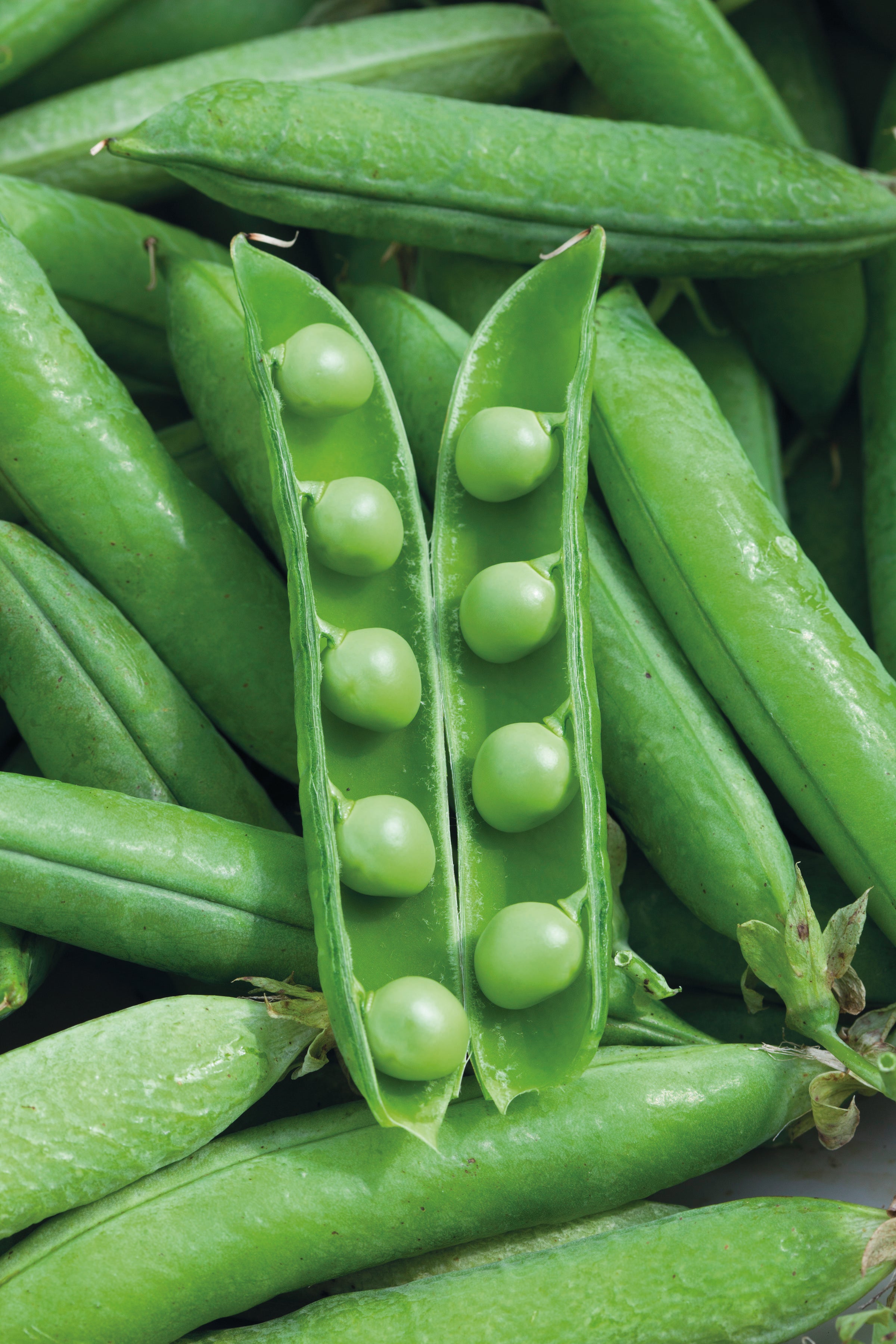
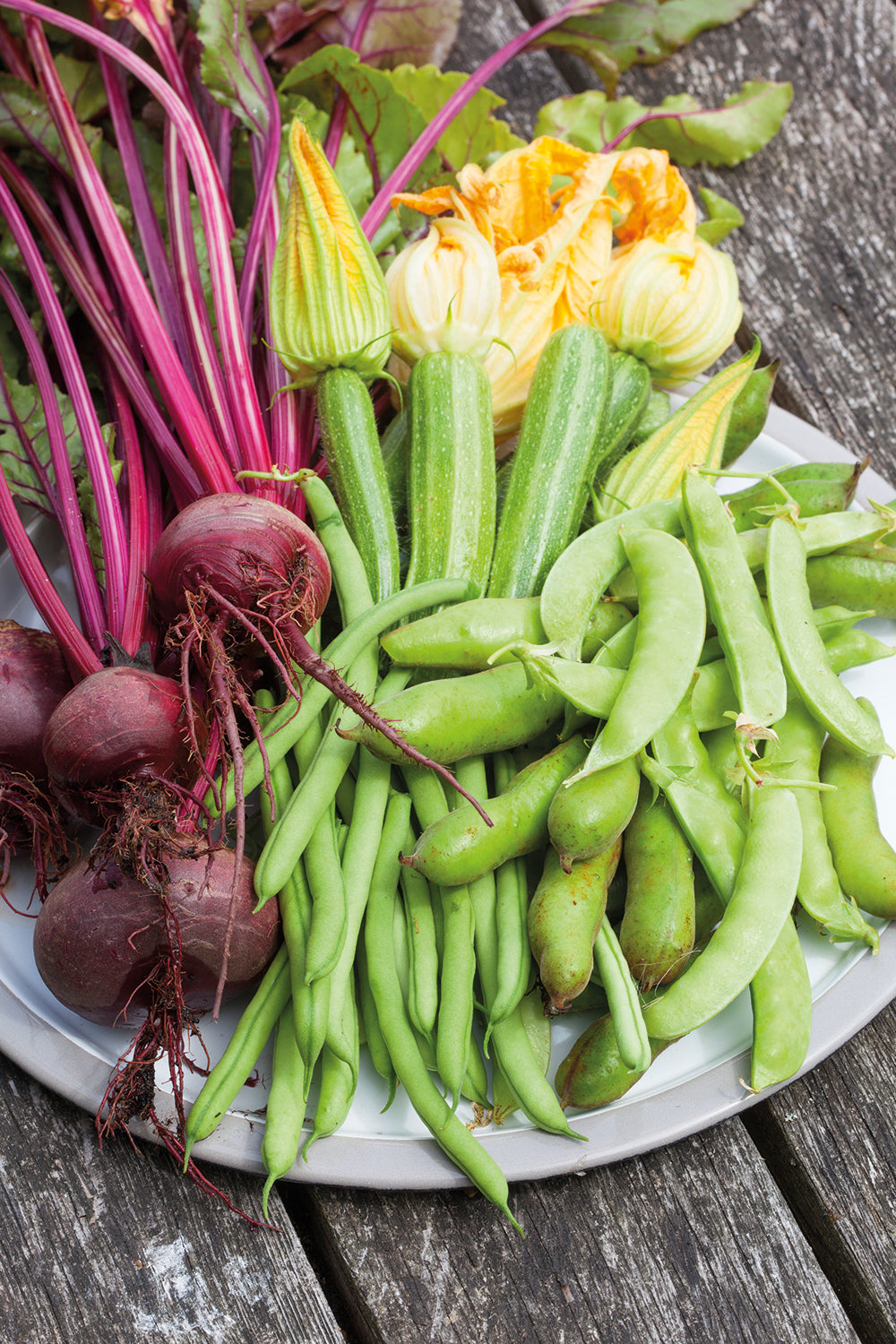
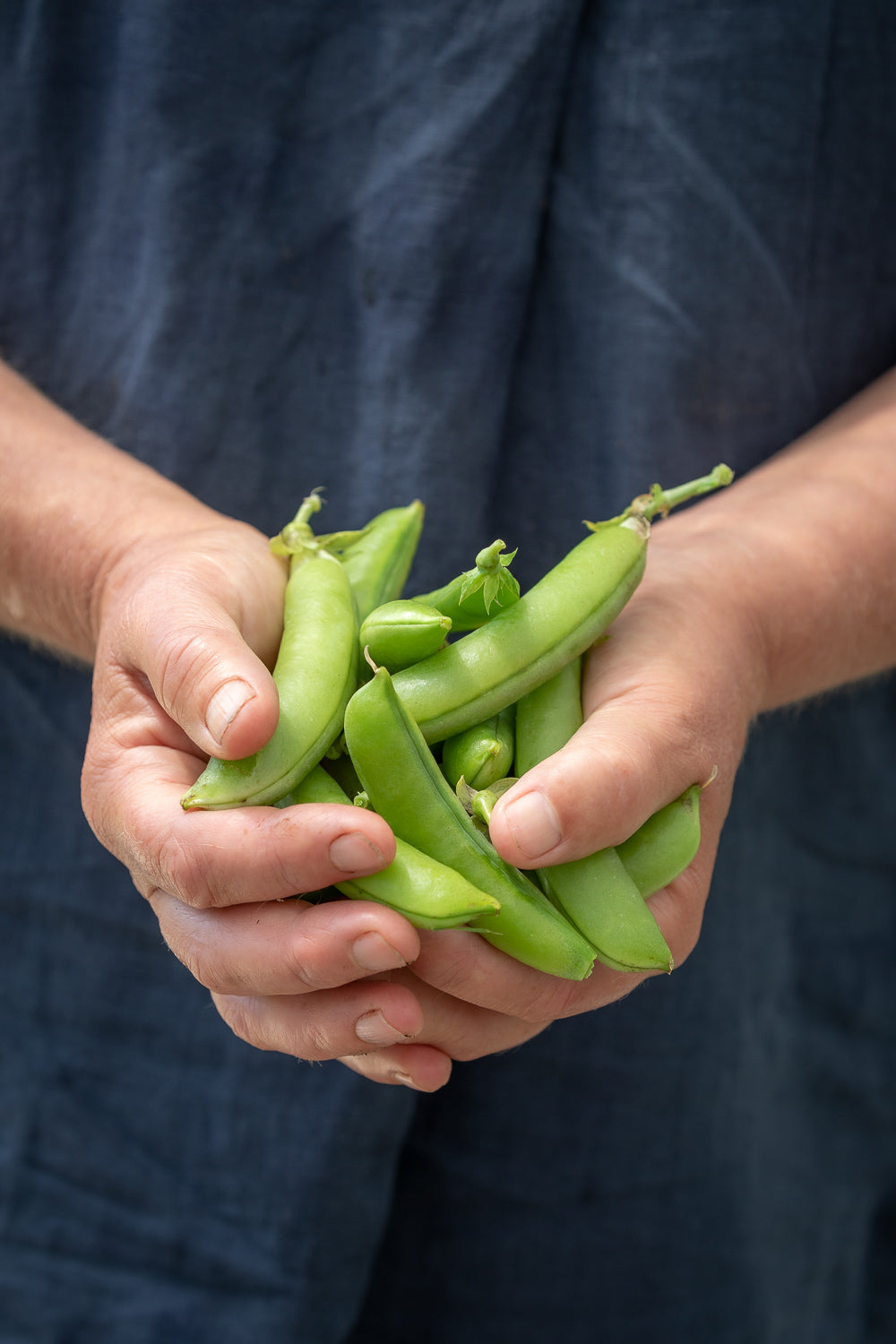
There is nothing so tasty as fresh peas picked from the garden and eaten raw straight from the pod. If you are lucky, some might even make it as far as the kitchen. There are also mange tout and sugar snap varieties that are delicious pod and all, great in stir fries or used raw to dip in houmous.
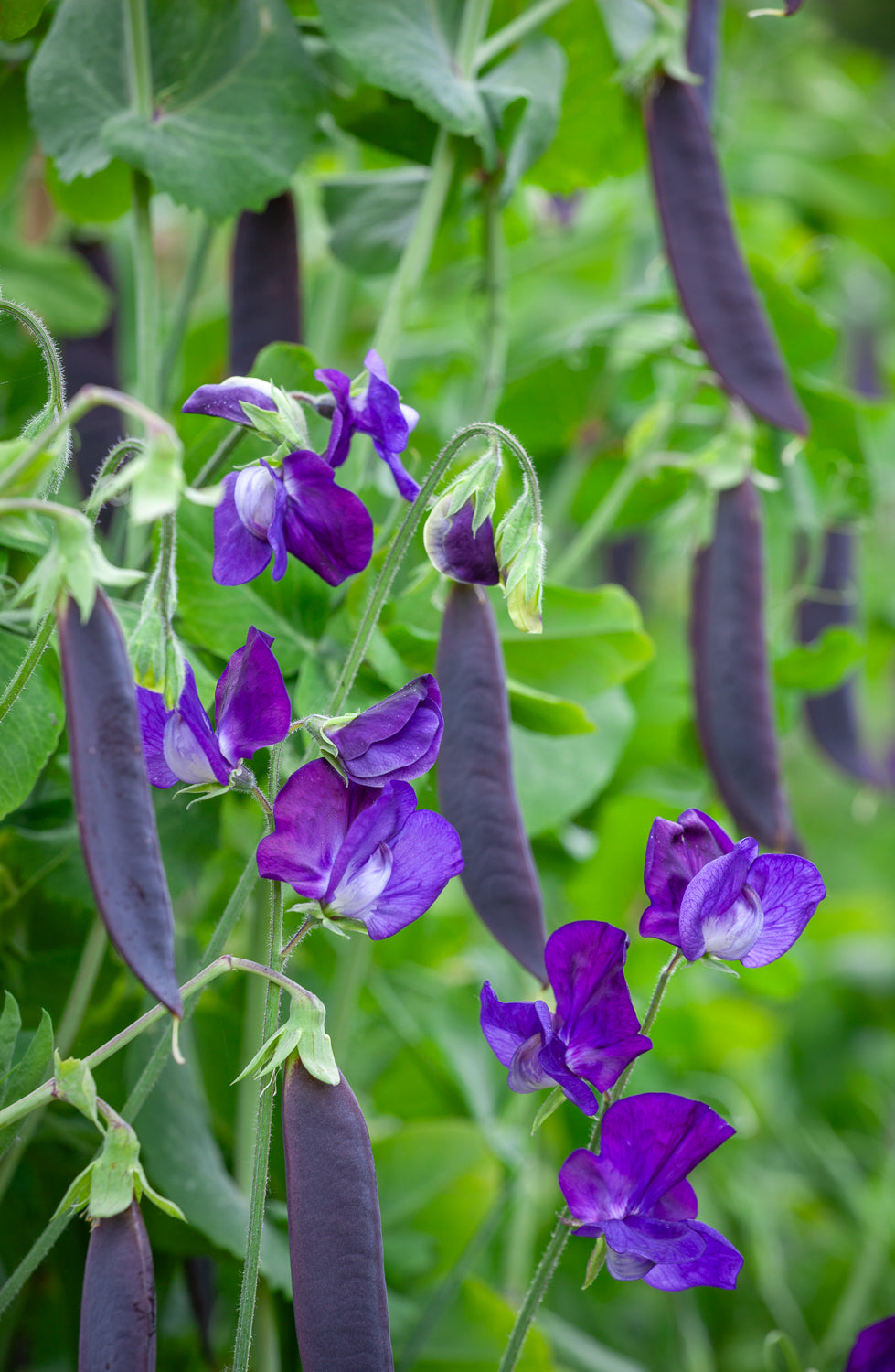
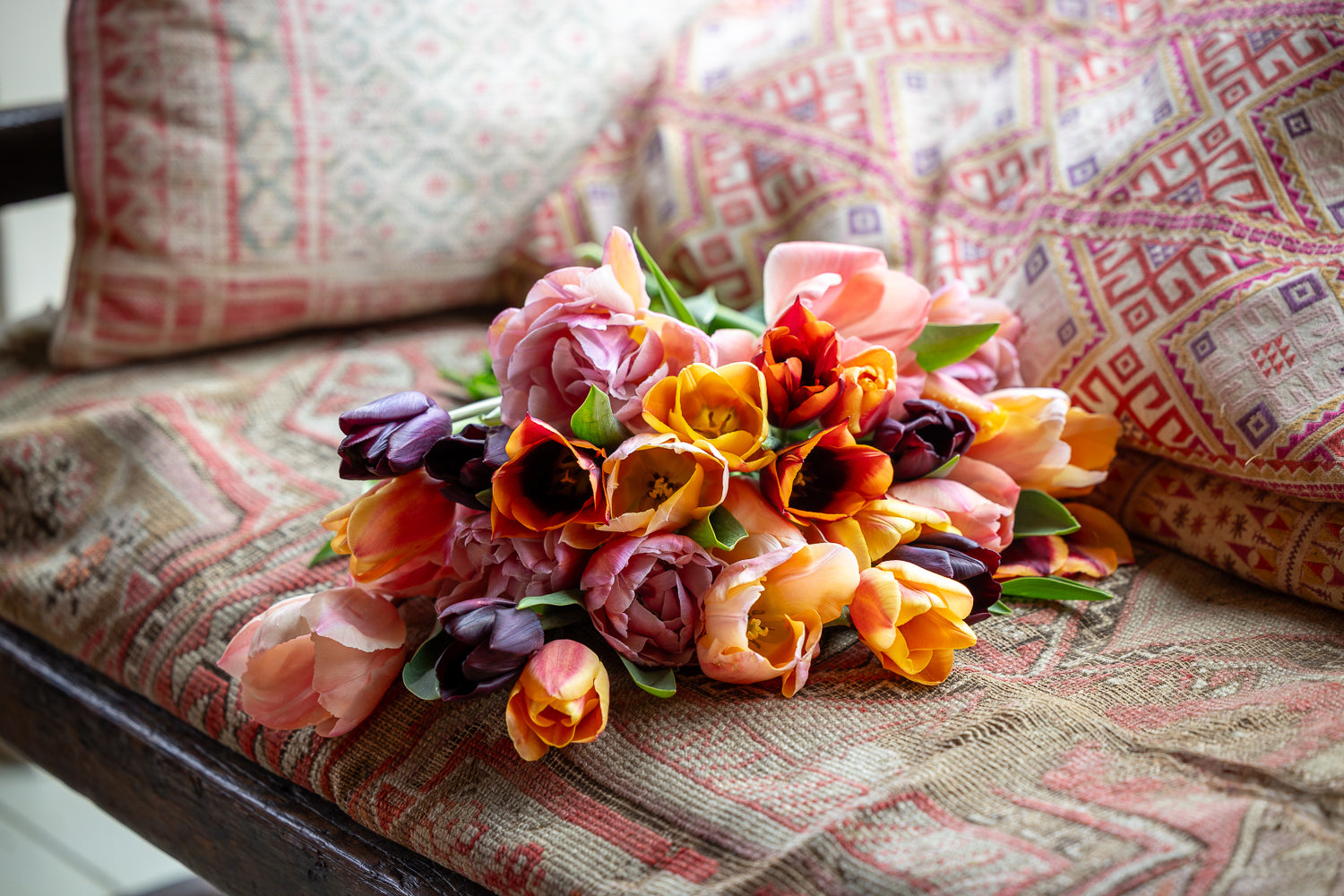
We favour the climbing varieties as they crop over such a long period but there are also some beautiful ornamental ones with coloured flowers and pods which will look great either in a vase or on the plate. And, of course, there are pea tips which we successionally sow pretty much all year, using any of the quick-cropping, good value sugar snap or mange tout varieties. These are fabulous on a salad or added as you serve to risottos or in the top of a bowl of soup.
- February/March: Sow peas indoors in gutters or rootrainers
- April: Transplant seedlings outside and direct sow peas out in the garden
- Ensure peas have a sturdy structure to grow on or netting to grow through.
- Harvest peas every three days.
- Pick last of peas for drying.
- Cut down and compost stems and leaves.
- Continue to sow pea tips in November and February.
- Decide which peas to plant in the spring.

Where & when to plant
Where to plant
Peas tend to prefer a fertile and neutral soil that is moist and well-drained.
Peas need full sun, but taller varieties will also need shelter from the wind.
When to plant
You can start peas off indoors in February or March, but wait until April to direct sow outside, or plant seedlings that you might have bought. We grow pea shoots throughout the year, so a few sown in a gutter every month (apart perhaps from December and January) will keep you in crunchy salad throughout the year with no need to transplant them into the ground.

Watering & feeding
If your soil has a good amount of organic matter you should only need to water your pea plants if the weather is really dry. Make sure your pea plants have enough moisture when flowering begins and after flowering to ensure a good crop.
You shouldn’t need to add much fertiliser either, as peas, being legumes, can fix the nitrogen from the air to help them grow. Once they are established and starting to climb their supports, peas need very little attention.
Staking
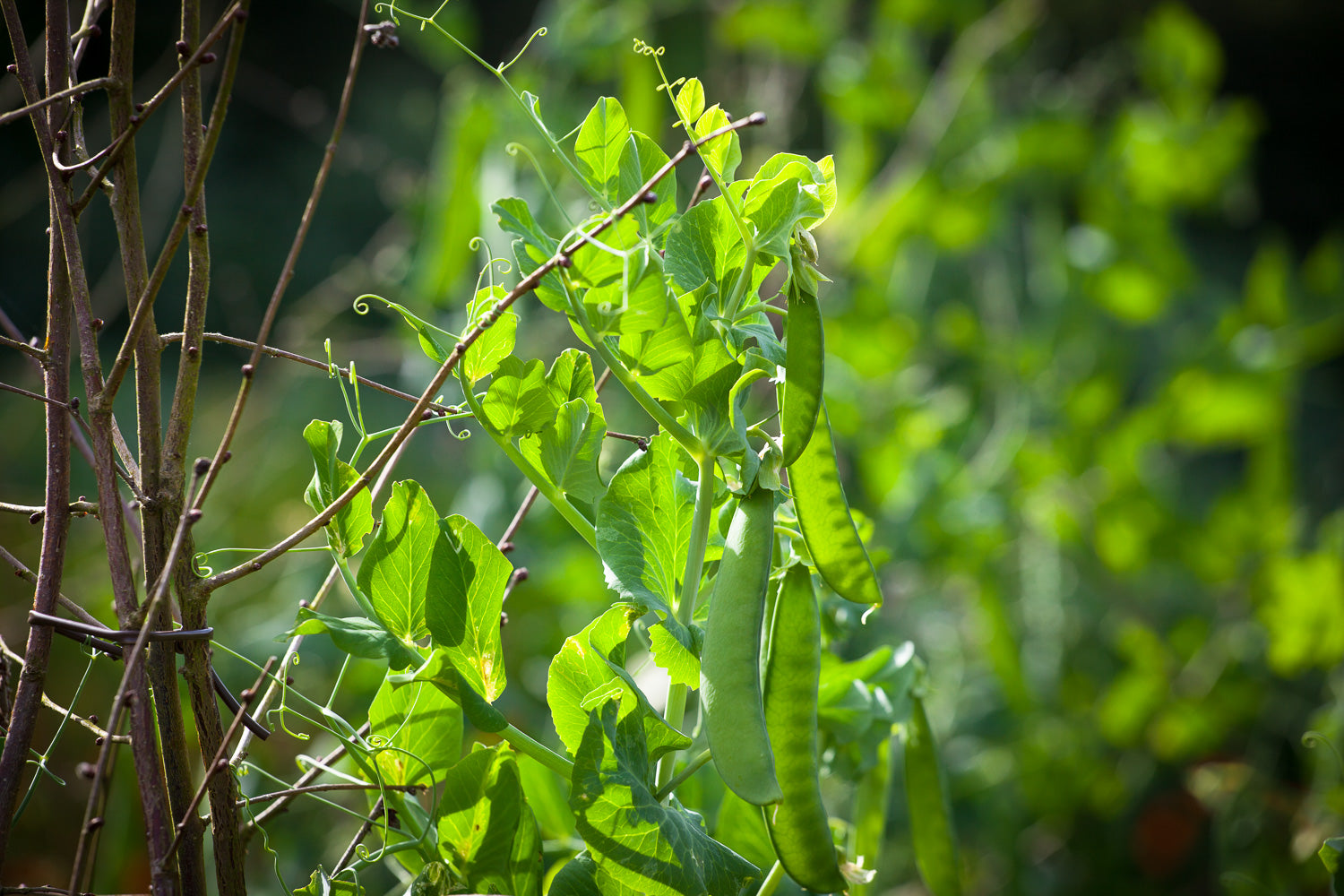
When your pea seedlings reach 5cm (2in) tall, erect supports up to 180cm (6ft) for the climbing varieties, or 75cm for the dwarf. They do need to be sturdy as pea plants in full production can be quite heavy, but they also prefer the sticks to be twiggy so that their tendrils can grip on. You can also use bean and pea netting, tied on to stout canes at each end.
Harvesting
Like all legumes, peas need regular picking – the more you pick, the more you get. So, whether they are mange tout or podding varieties, try to pick them every two or three days to ensure a long-lasting supply.
Harvest from the bottom of the plant, working your way up. The pods at the bottom of the plant will be the most mature. After harvesting, you can cut the plant back to ground level and leave the roots to release nitrogen for the next crop.
Pea moth
Pea moth is a major bugbear, as you don’t usually spot the damage until podding your peas and seeing a white maggot enjoying the pea you were about to eat. The best way to thwart these is to only sow your crop early or late (March or June), thus avoiding flowering when the pea moth is flying and looking for a host pea flower to lay her eggs on.
Pea downy mildew
Downy mildew will appear as yellow blotches on the leaves and is only a major problem in very wet weather. It is caused by a fungal infection, so remove any affected leaves and destroy them to halt the spread. Make sure you rotate your crops the following year.
Pea powdery mildew
Powdery mildew is another fungal infection that this time prefers dry weather and leaves white powder on the leaves and stems. Usually, it only occurs at the end of the season when your crop is almost over.
What is eating my pea plants?
There are a few creatures that might want to have a share of your pea crop. The first are mice, who see that round parcel of protein and starch as an ideal early spring meal. Starting your peas off indoors will help avoid that - although mice have been known to find the gutters in the polytunnel and have themselves a banquet. Plastic underbed storage boxes are just the right size for the gutters put paid to their fun. When planting outside, sow extra for the mice and have some rootrainers ready to fill in any gaps in the row.
Once your peas are through the ground, pigeons will seize their chance, so pre-empting their emergence with twiggy pea sticks or netting should make it a less comfortable prospect.
Slugs and snails will also go for the young plants, so again starting them off indoors should avoid this problem. If the peas are growing away nicely and you spot u shaped notches around the edges of the leaves, that’ll be the pea and bean weevil. Thankfully, they only do minimal damage, so not much to worry about.
Why are my pea plants turning yellow?
This is likely to be one of the fungal infections mentioned above, or possibly drought at planting time.
Frequently asked questions
-
How to support peas when growing?
You can use pea sticks, canes or bean and pea netting. Your supports do need to be sturdy as pea plants can be quite heavy. Peas also prefer their support sticks to be twiggy so that their tendrils can grip on as they grow. Dwarf varieties don’t need much support.
-
How tall do peas grow?
That depends entirely on the variety. We grow a lot of the old-fashioned climbing peas, which can grow up to 2m tall, as you get such a long cropping season. Dwarf varieties may only reach around 75cm.
-
How far apart to plant peas?
Sow the seeds or plant the seedlings around 7cm apart.

What to grow with peas
If you have created a long wigwam for runner or French beans you can plant peas on the same structure if you add some twiggy sticks or netting for them to climb up.