Skip to content

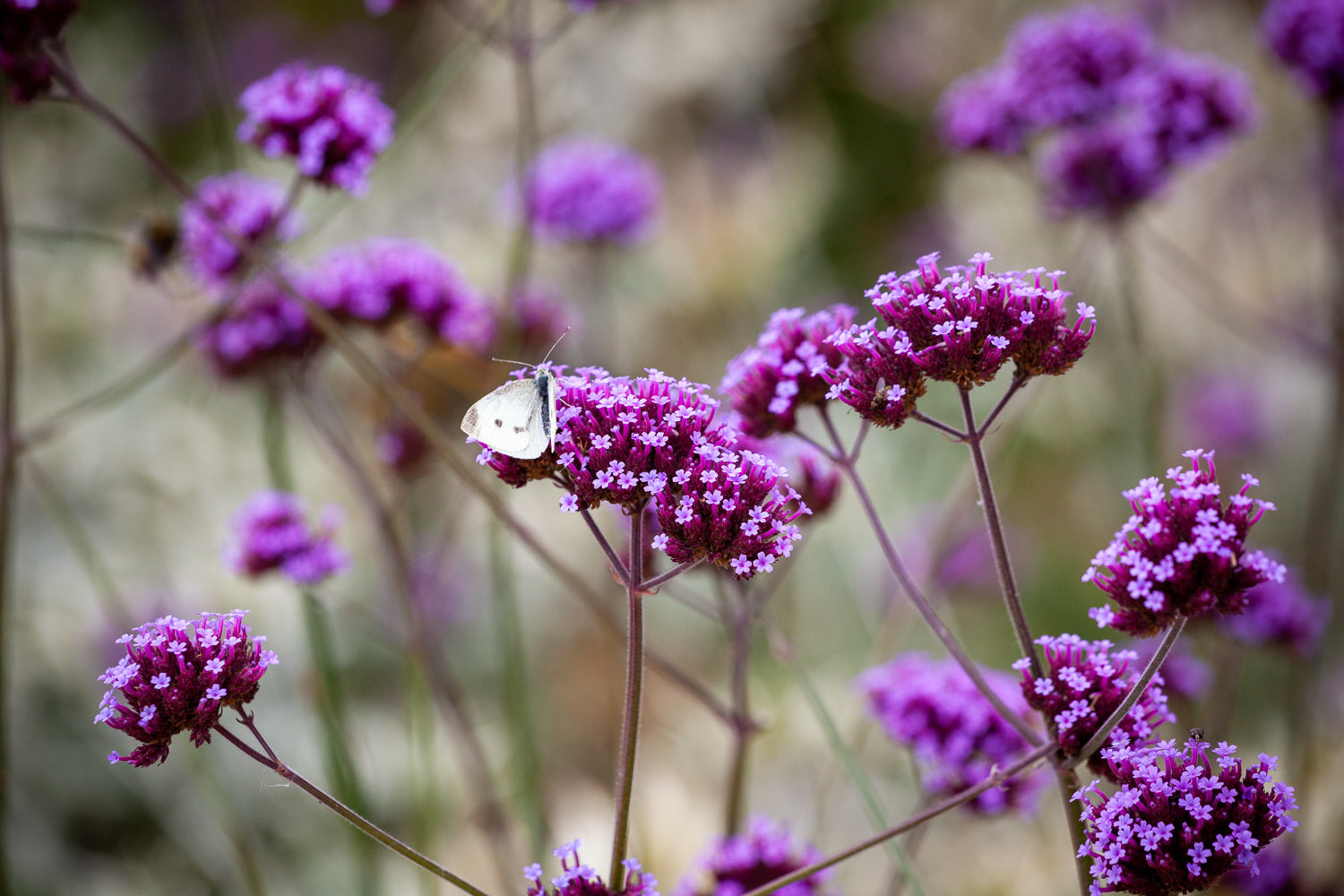
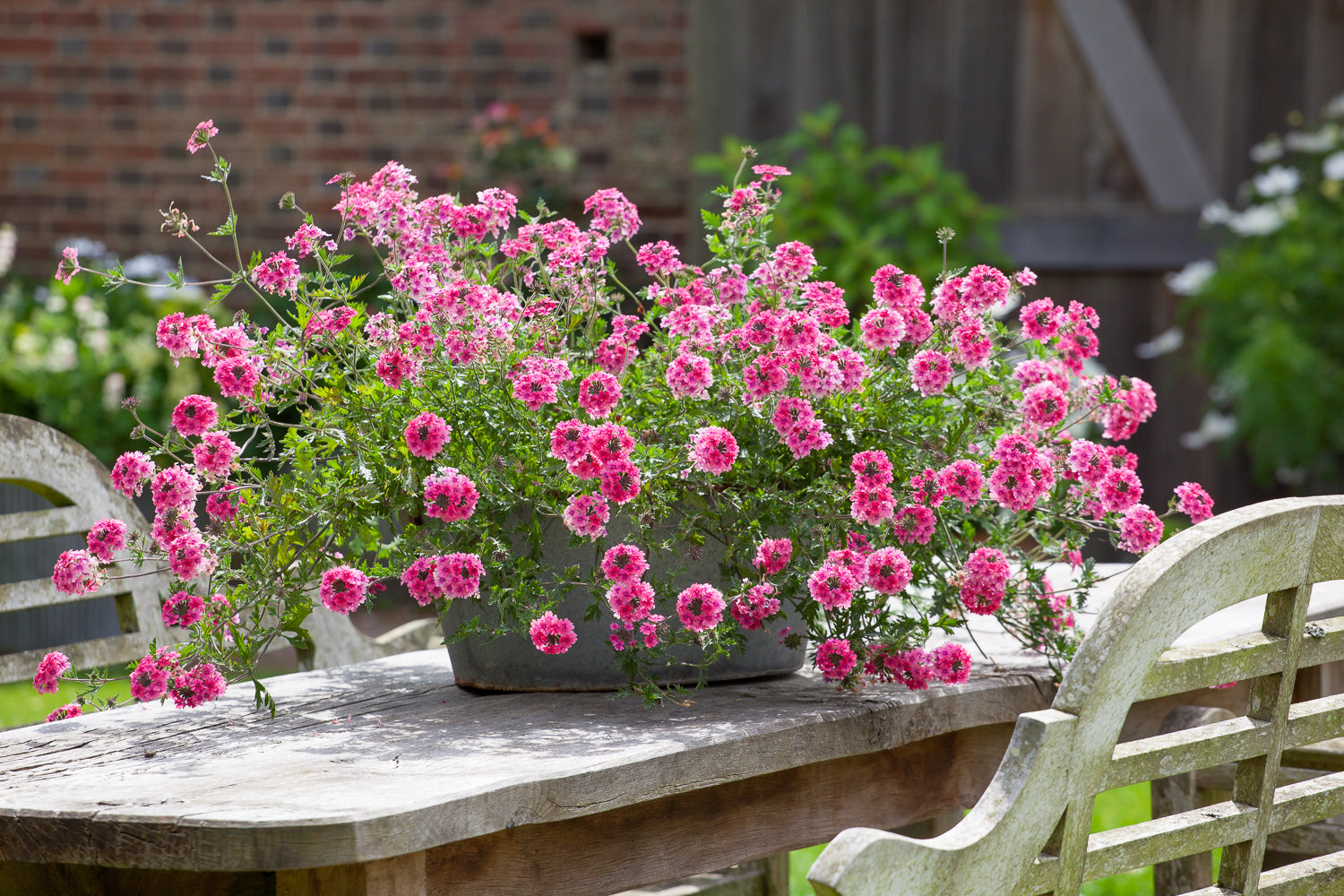
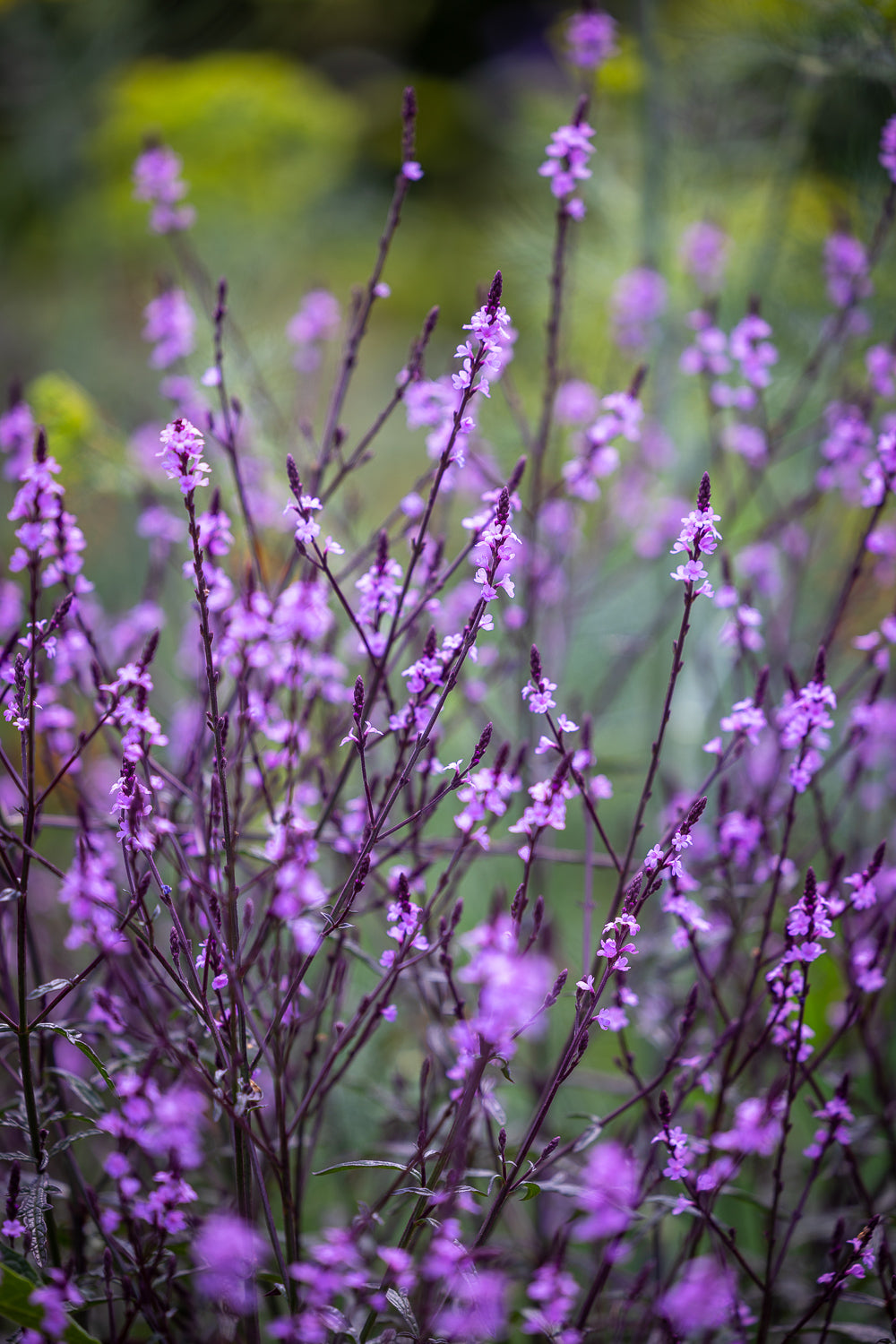
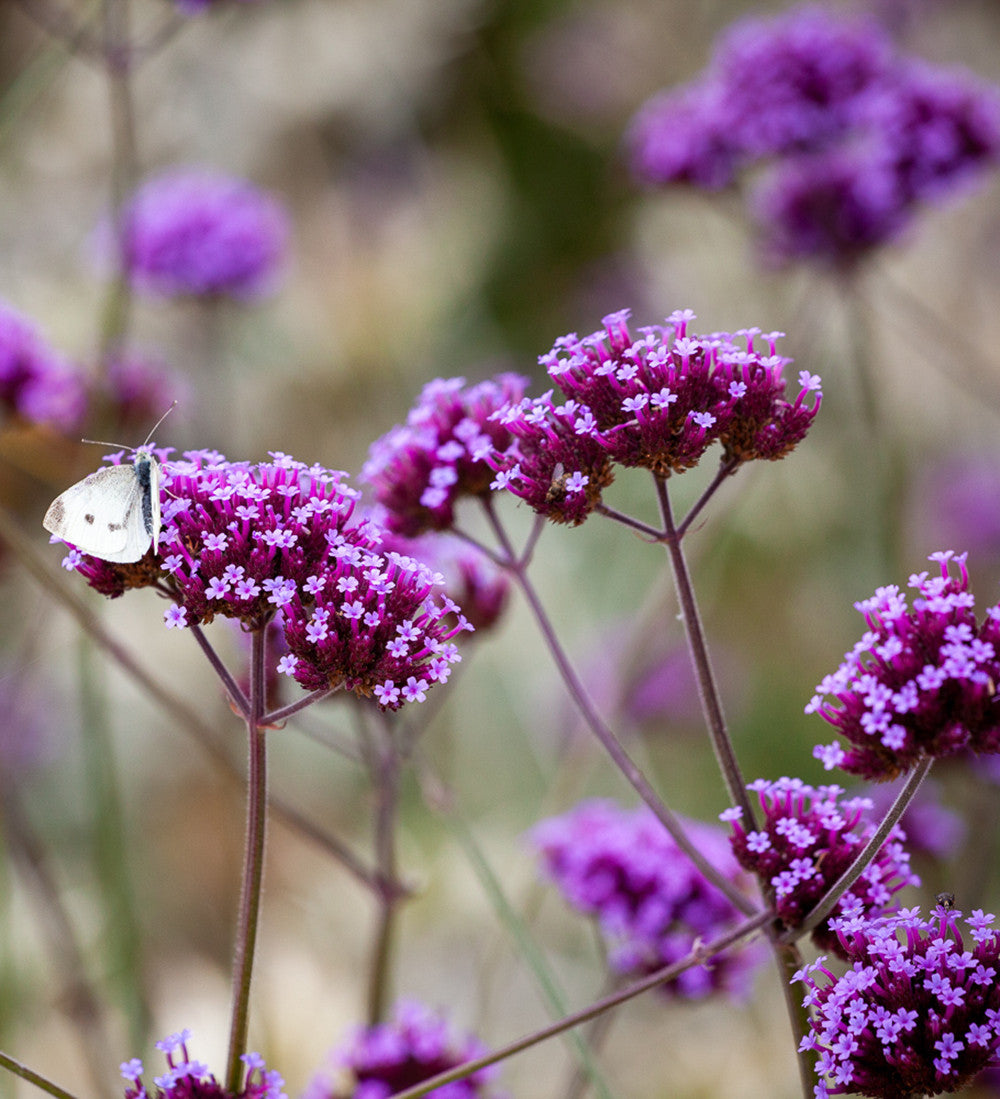
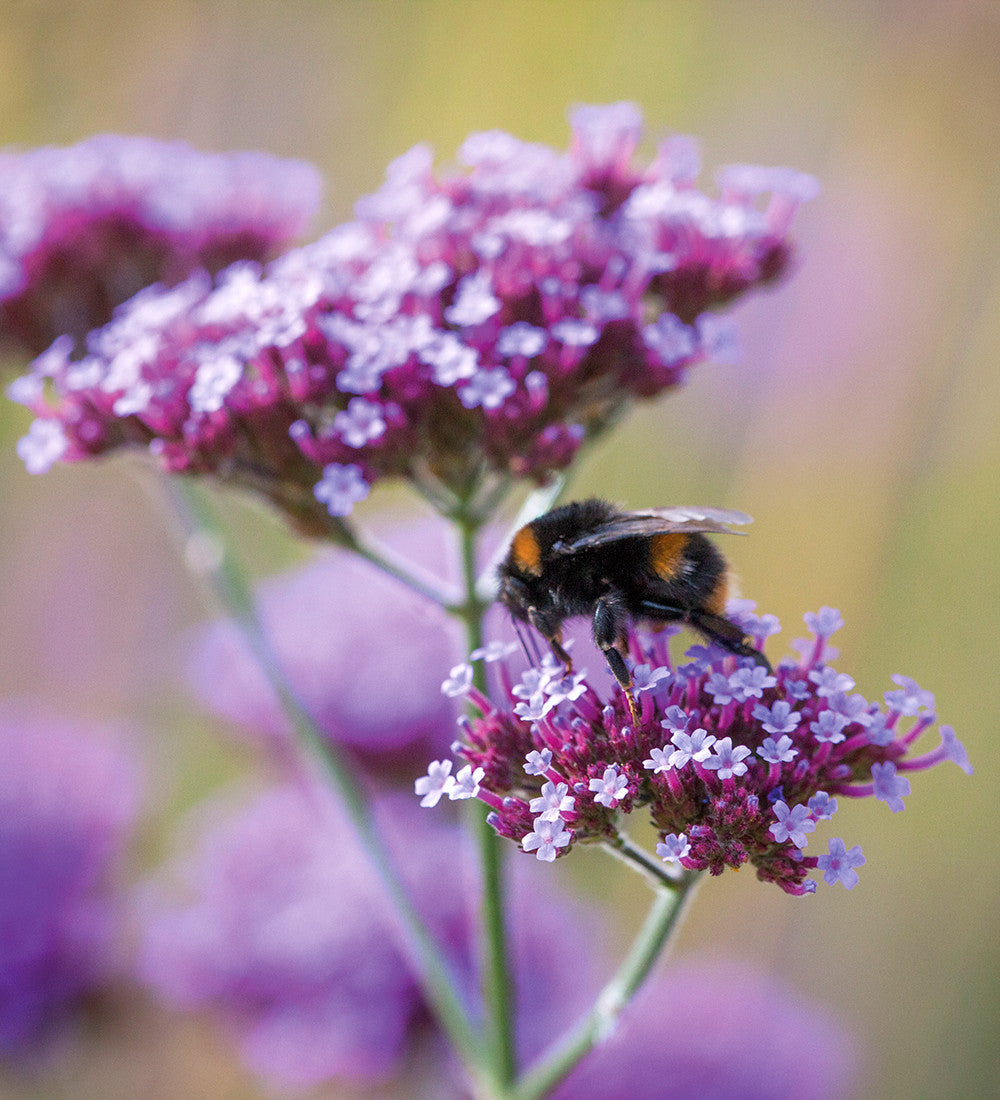
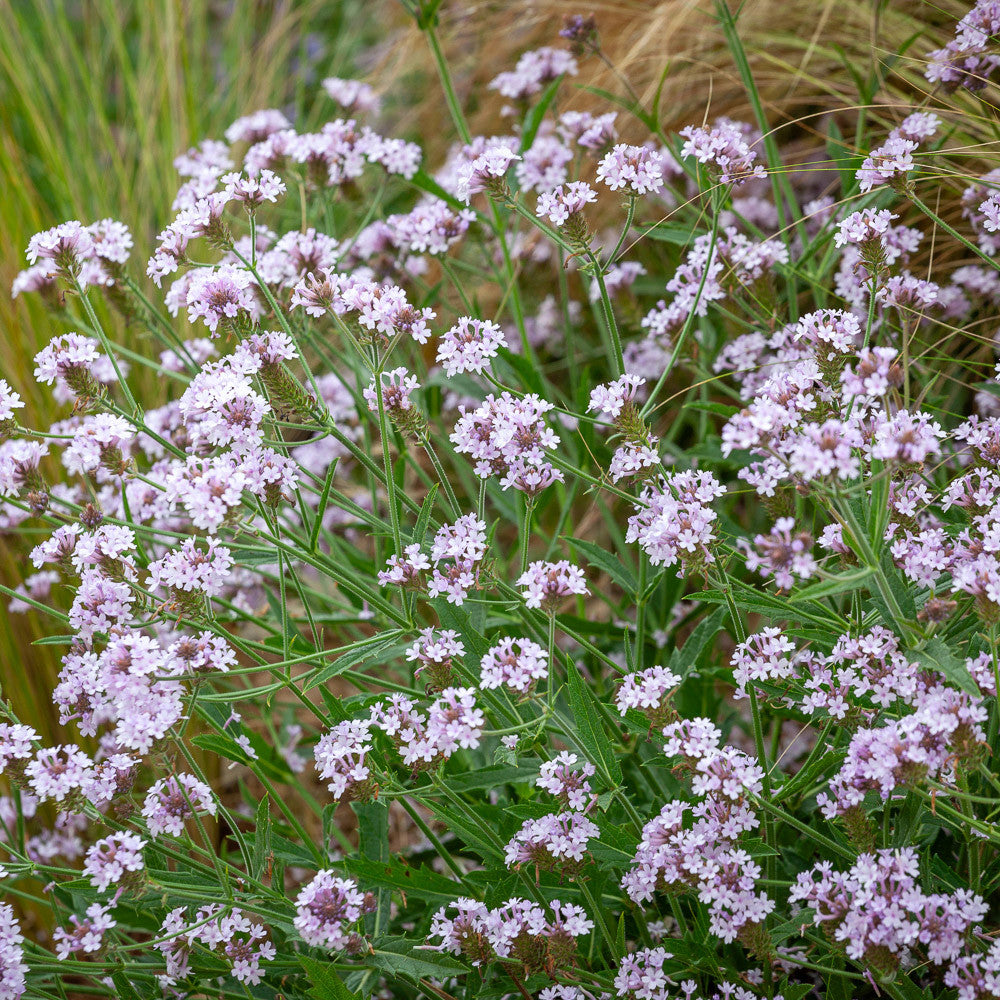
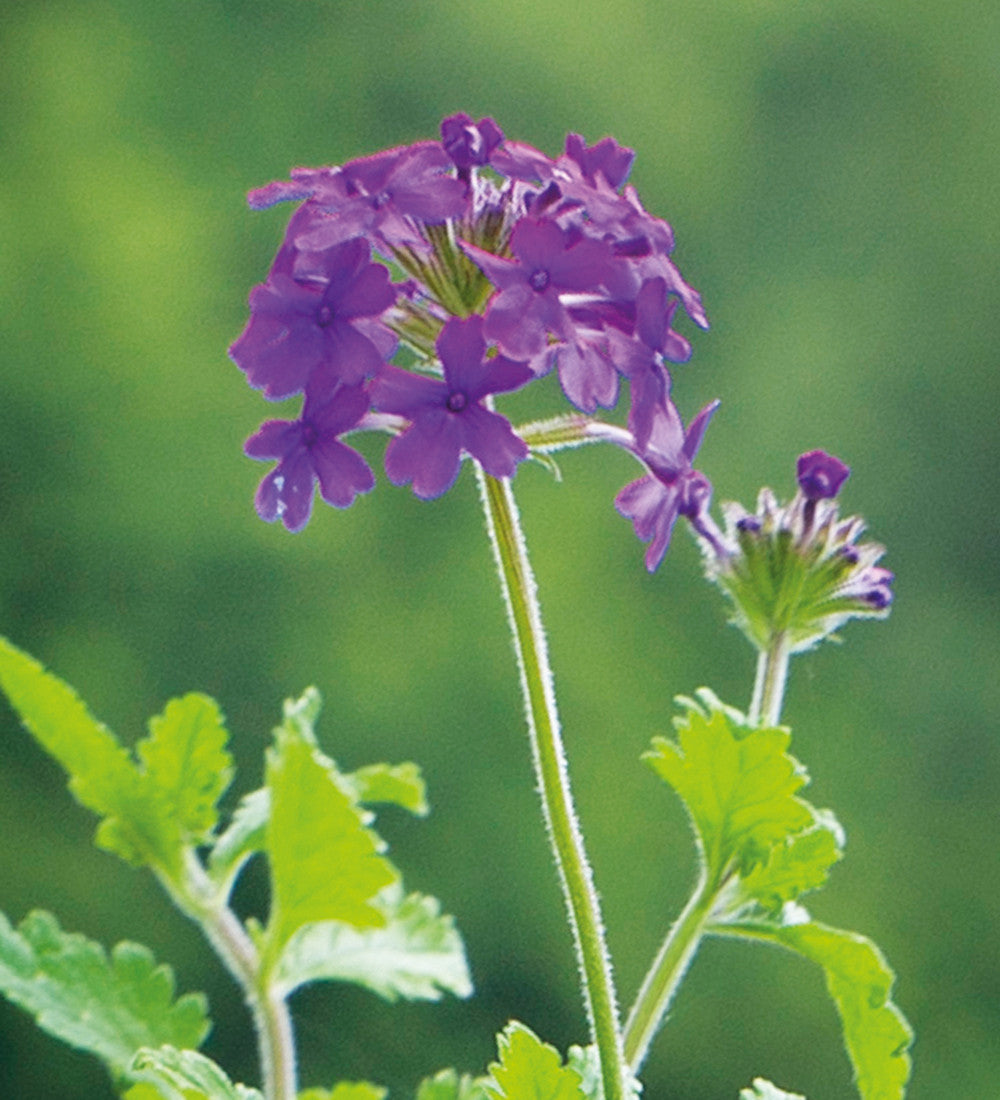
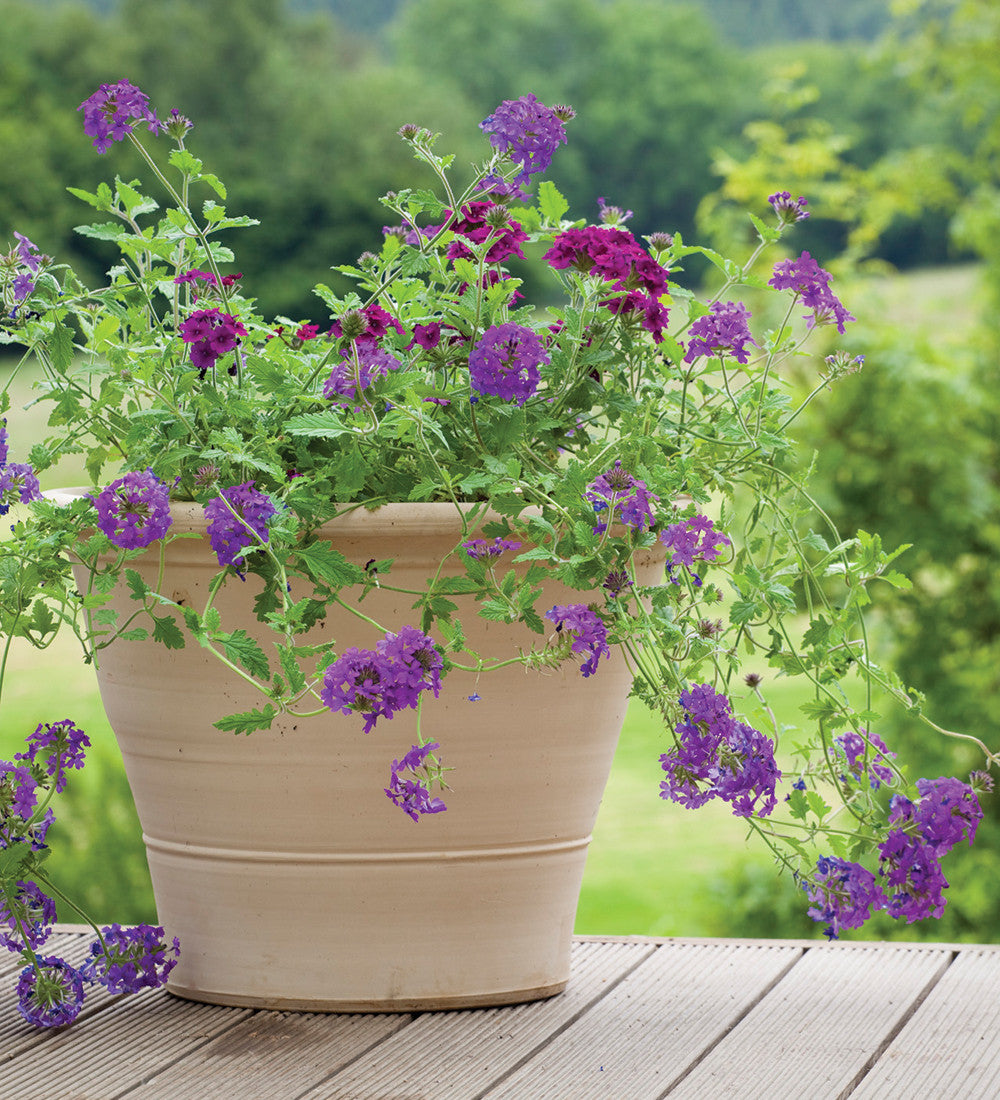
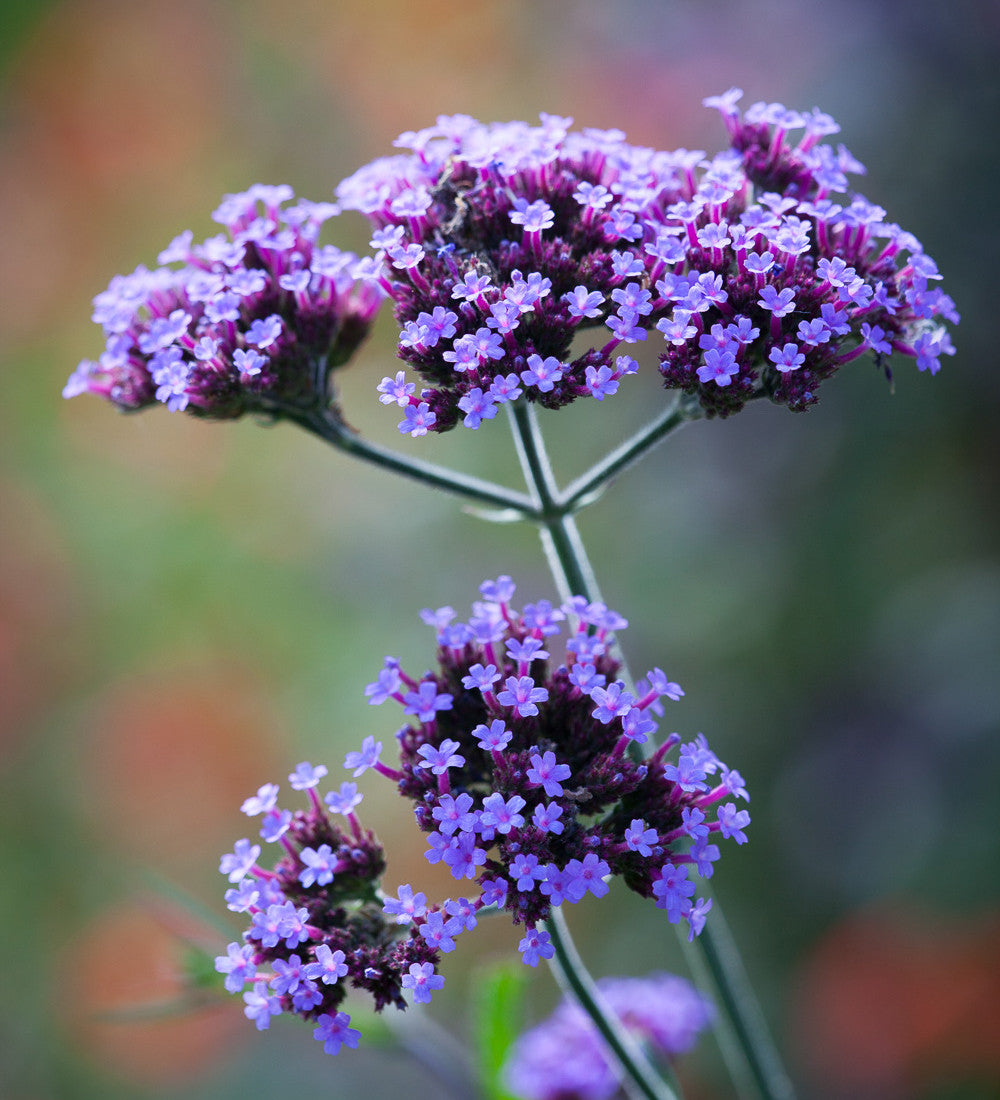
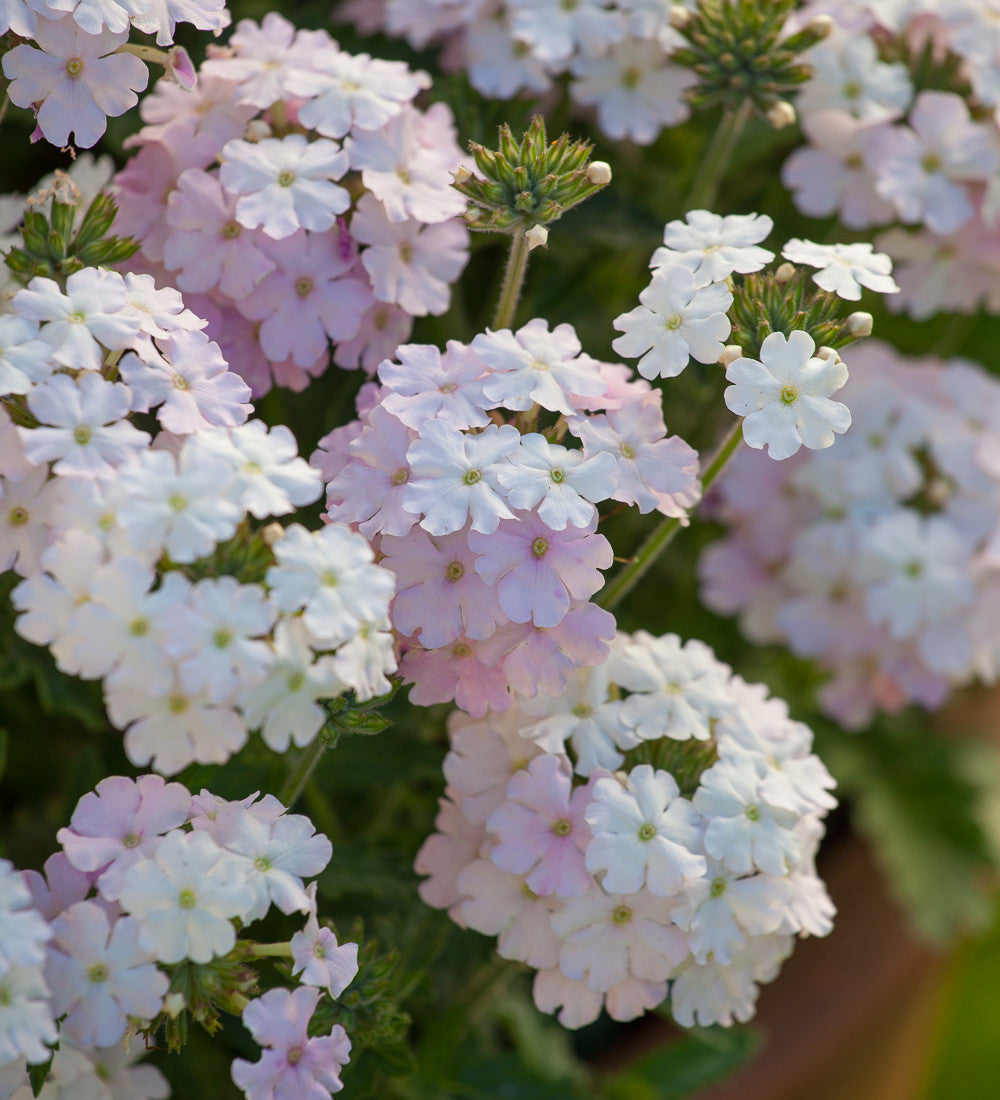
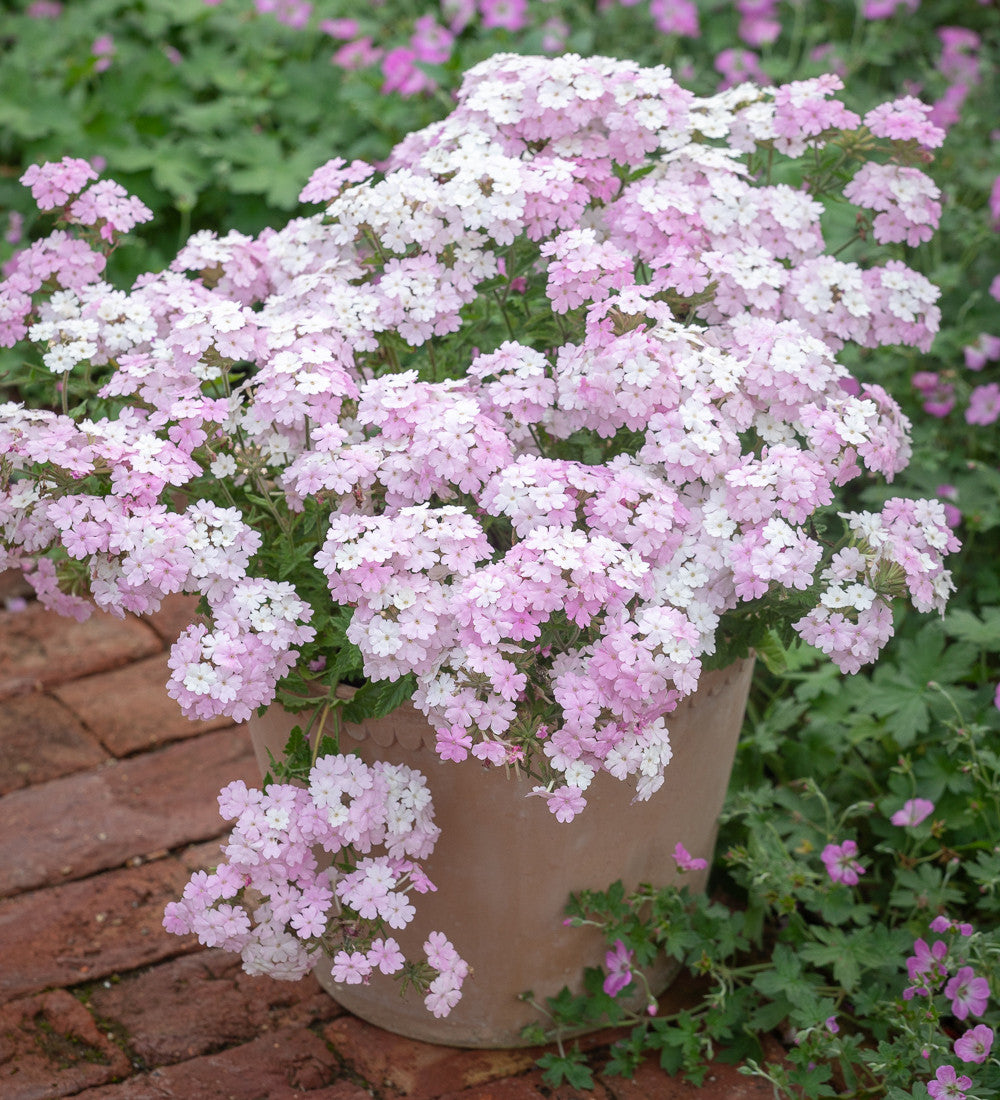
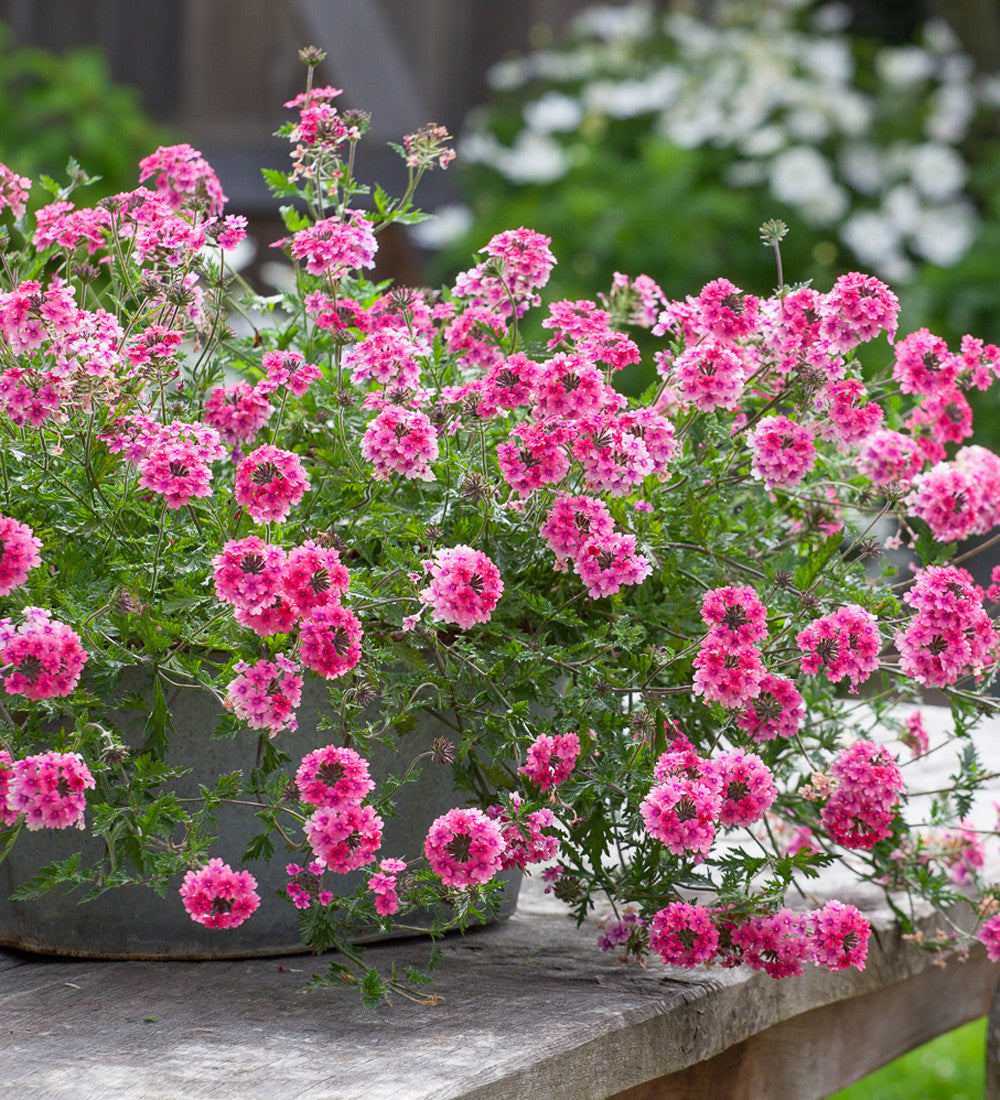
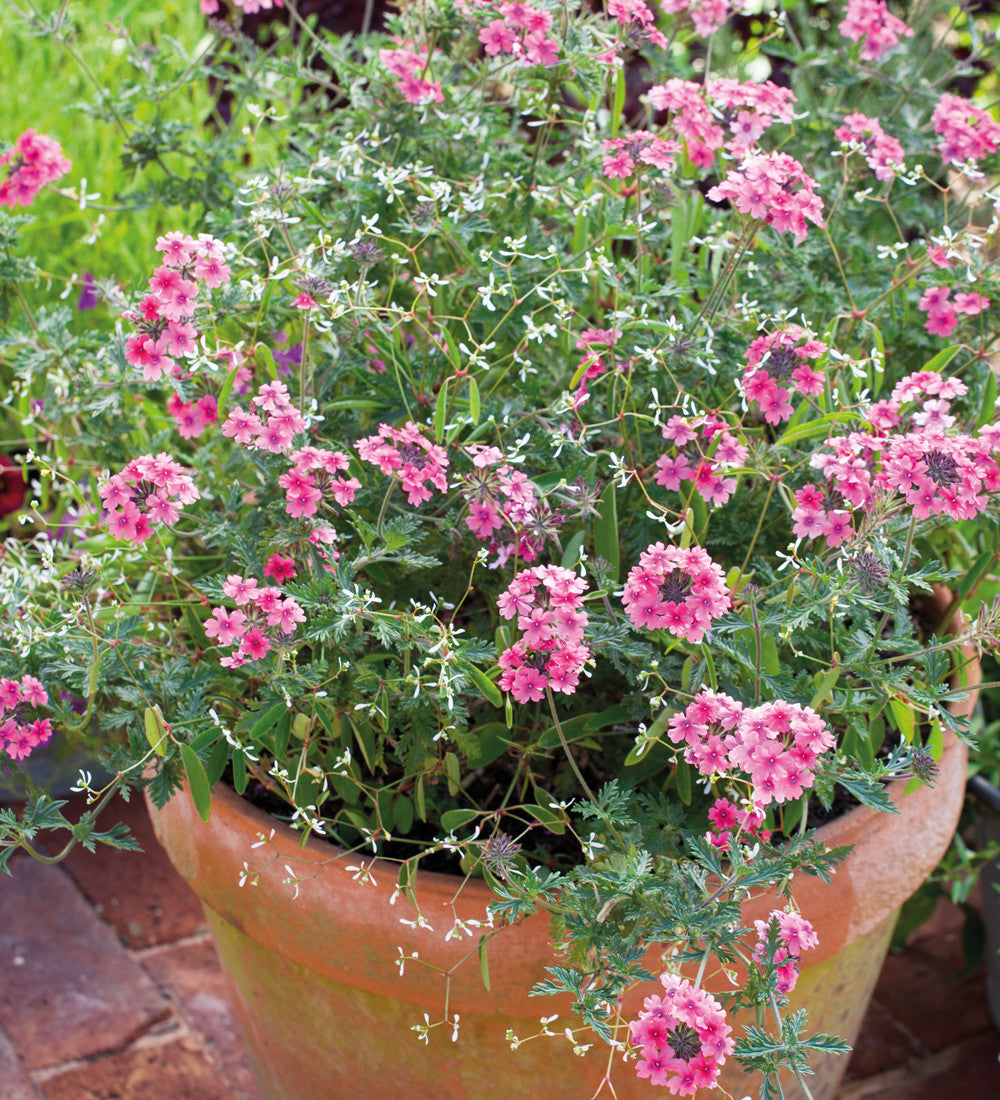
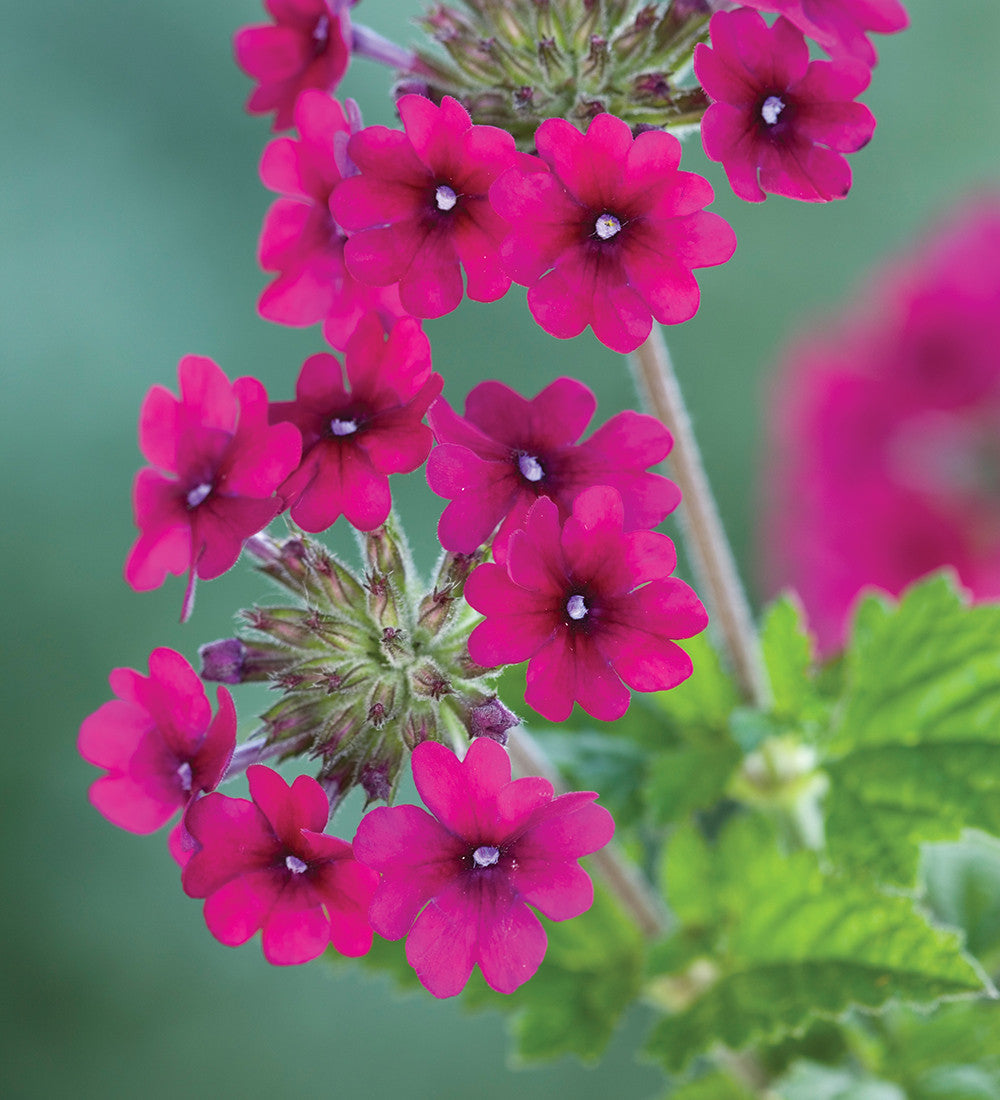
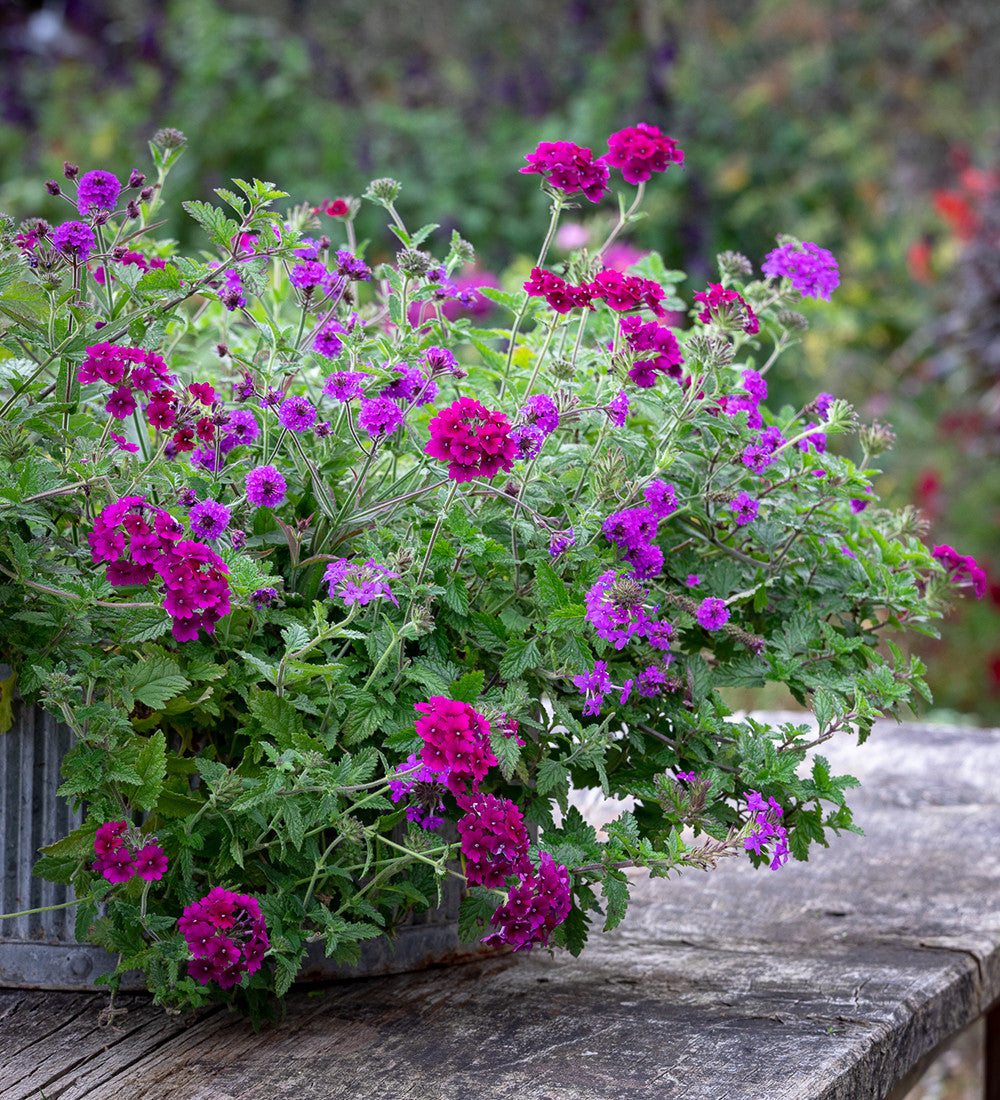
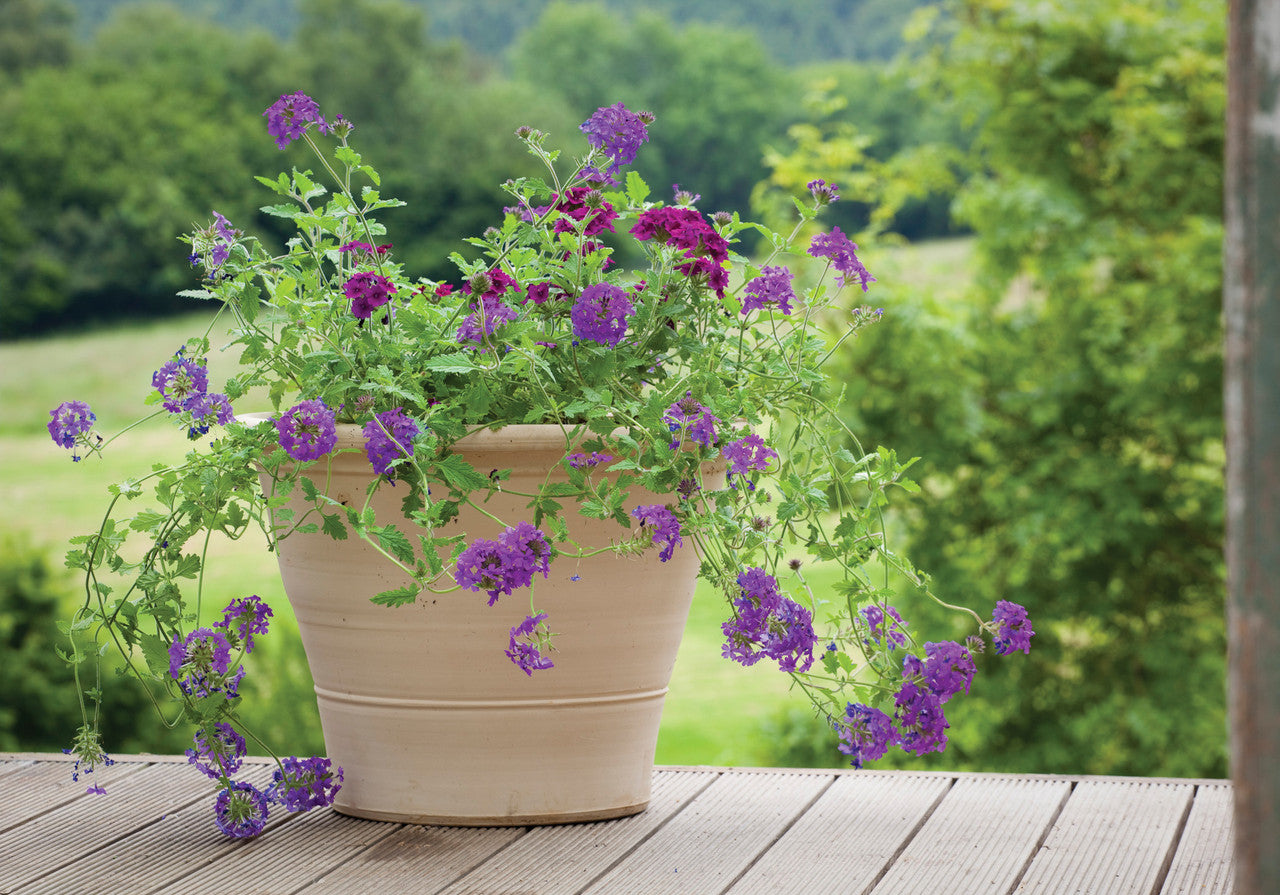
If you want to attract pollinators all summer long verbenas are the plants to go for. Their rich nectar is particularly popular with hover flies which are so useful at controlling aphids in the rest of the garden. The success of the tall willowy Verbena bonariensis has encouraged the breeding of similar types such as ‘Lollipop’ which is just as colourful but rather more compact, and there are also other wonderful hardy species: Verbena hastata and rigida. If you have pots to plant up take a look at our verbena cuttings that are ready to fill your containers with trouble free flowers as soon as they arrive. The colour range is increasing all the time, with something to compliment every combination either in the pot or the vase.

Last updated: 4th Mar 2025

Jan J
Feb F
Mar M
Apr A
May M
Jun J
Jul J
Aug A
Sep S
Oct O
Nov N
Dec D
Sowing
Planting
Flowering
Spring
  • Sow seed indoors in early spring.
  • Cut down overwintered stems.
  • Plant out seedlings once danger of frost has passed.
Summer
  • Propagate from cuttings.
  • Dead head to prolong flowering period and prevent self-seeding.
Autumn
  • Mulch tender varieties.
Winter
  • Decide which varieties to grow next year.

Choose a spot with well-drained soil for your verbena plants.

Cosmos need a position in full sun to flower productively

Plant verbena in full sun in borders or containers.

Sprinkle the seed on the surface of fine compost. Before covering the seed check the instructions on the packet as some need light to germinate and some do not. Once they have germinated and have leaves that are large enough to handle, prick the seedlings out into individual pots or modules and grow on to sturdy plants before planting in the border.

If you have ordered our verbena seedlings pot them on into individual pots as soon as they arrive and gradually acclimatise to outdoor conditions.

Plants that arrive in 9cm pots can be planted direct into the border or containers once they have hardened off and the danger of frost has passed. Sprinkle mycorrhizal fungi (Rootgrow) into the base of the planting hole and water well after planting. For best effect plant in groups of 3 or more.

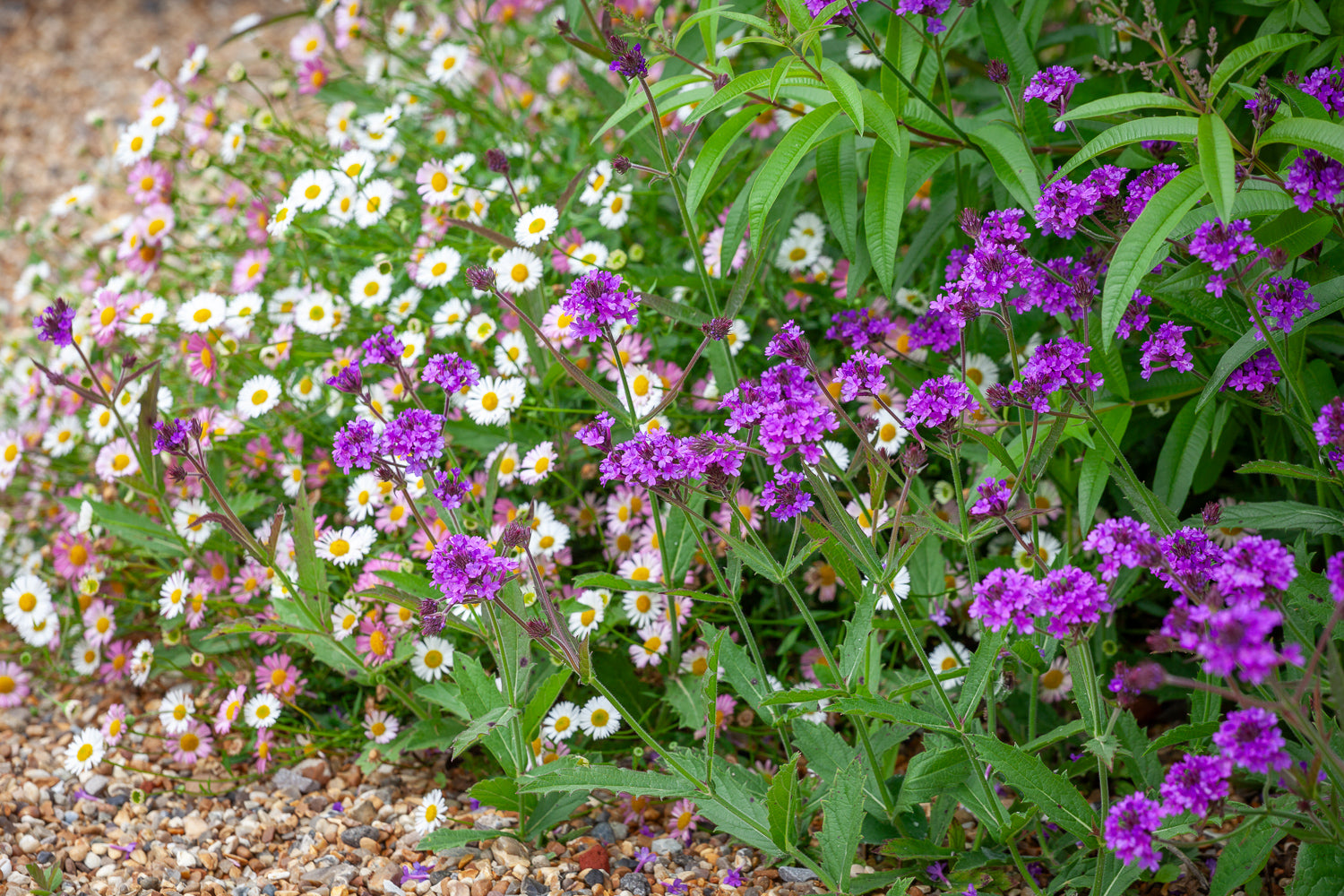
Most verbena need very little attention once they are established, thriving in dry sunny conditions. Indeed, some will seed themselves in the least hospitable corners, preferring a gravel path to the rich soil of a flower border. Even the half-hardy perennials can survive the winter in milder areas as long as the soil is not too wet and they are given a compost mulch.

Staking

Verbena does not need staking as its square wiry stems are sturdy enough even in quite windy conditions.

Deadheading

Deadheading the spent flowers will increase the flowering season of some varieties, but most will continue for months until the first frosts.

Propagating

If you live in a cooler climate, it is a good insurance policy to propagate the more tender verbena varieties from cuttings. These are best taken in the morning when the stems are firmest. Remove some non-flowering side shoots around 10cm long. Trim just below a leaf node and strip away most of the leaves. Poke them into gritty compost around the edge of a shallow pot. Once they have rooted, pot them into individual small pots so that they can be overwintered in a frost-free place.

What to grow with verbena

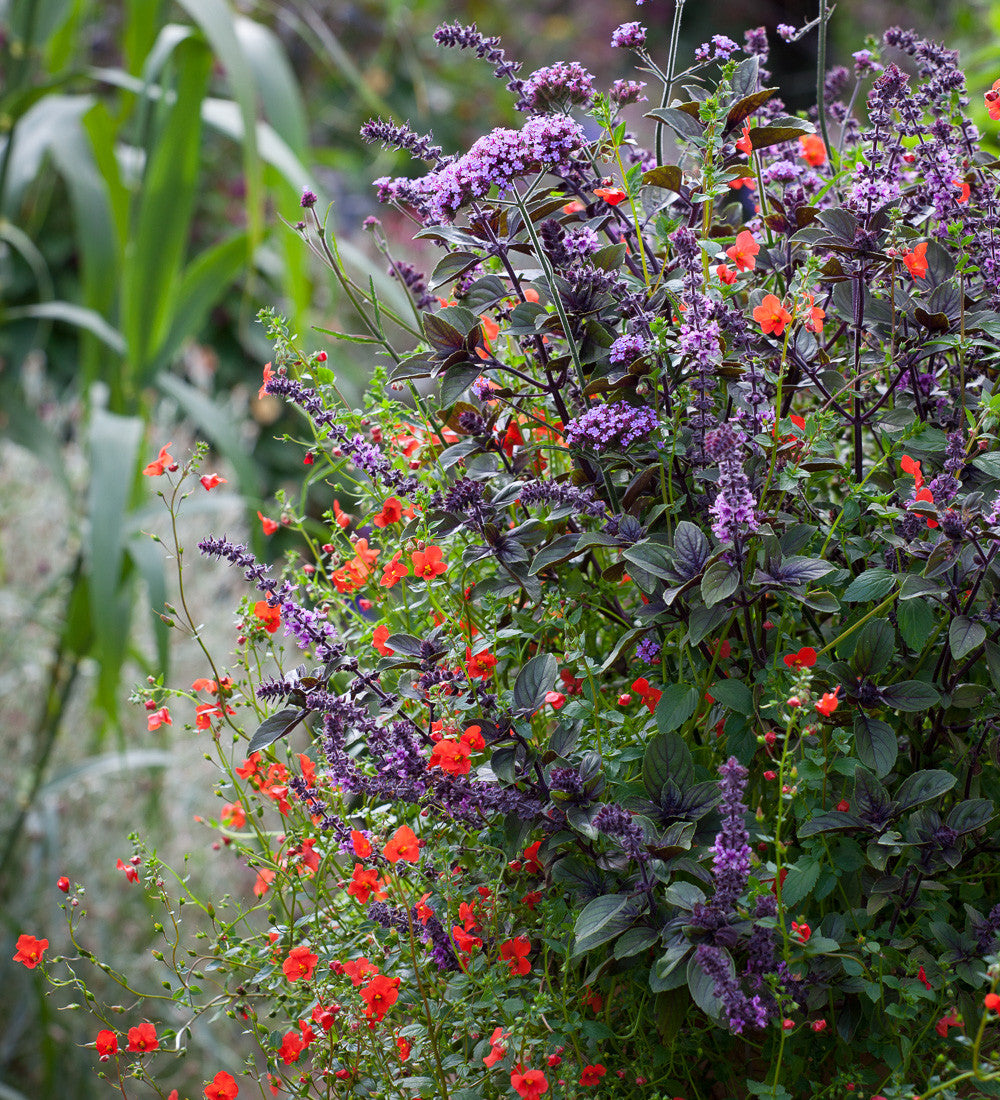
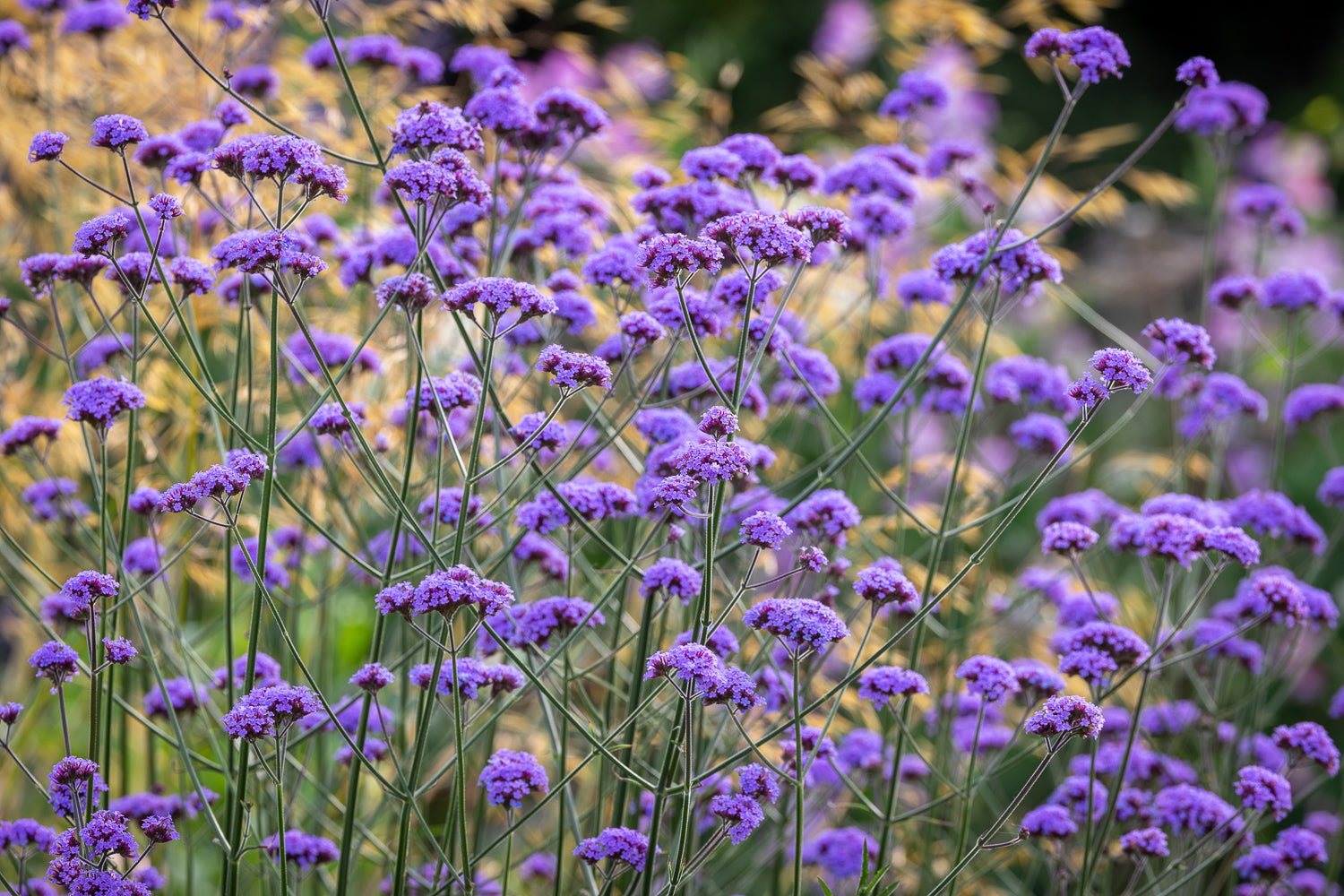
Verbena follow on from spring flowering bulbs well, as they do not start to flower until later in the season and will distract from the dying foliage of the bulbs. The purple flowers of Verbena rigida and bonariensis compliment the silver-grey foliage of lavender and santolina, and whilst tall they do not shade out lower plants.

There are not many problems that beset verbena, but here is one to watch out for.

Powdery mildew

The more tender bedding type verbenas can be susceptible to powdery mildew, particularly if they have been started off in the greenhouse. A white powdery fungal growth will appear on the surface of the leaf, and it is best to remove affected leaves to stop it spreading. Make sure that the roots rather than the leaves are watered to avoid this problem and ensure plenty of ventilation if growing indoors.

Why is my verbena not blooming?

This might be because it is not getting enough sunshine – six hours a day is ideal. So, move the plant to ensure it is in the brightest possible spot. Also, a light trim might well spark it into new growth if the flowering has slowed down.

Why is my verbena wilting?

Plants often wilt because they are too dry or too wet, so make sure you have the watering regime just right. Some fungal diseases can also cause wilting, so ensure good hygiene and air circulation.

Why are my verbena leaves turning white?

This is likely to be caused by powdery mildew, a fungal disease that leaves white deposits on the surface of the leaf. Make sure that the roots rather than the leaves are watered to avoid this problem and ensure plenty of ventilation if growing indoors. It is best to remove affected leaves to stop it spreading.

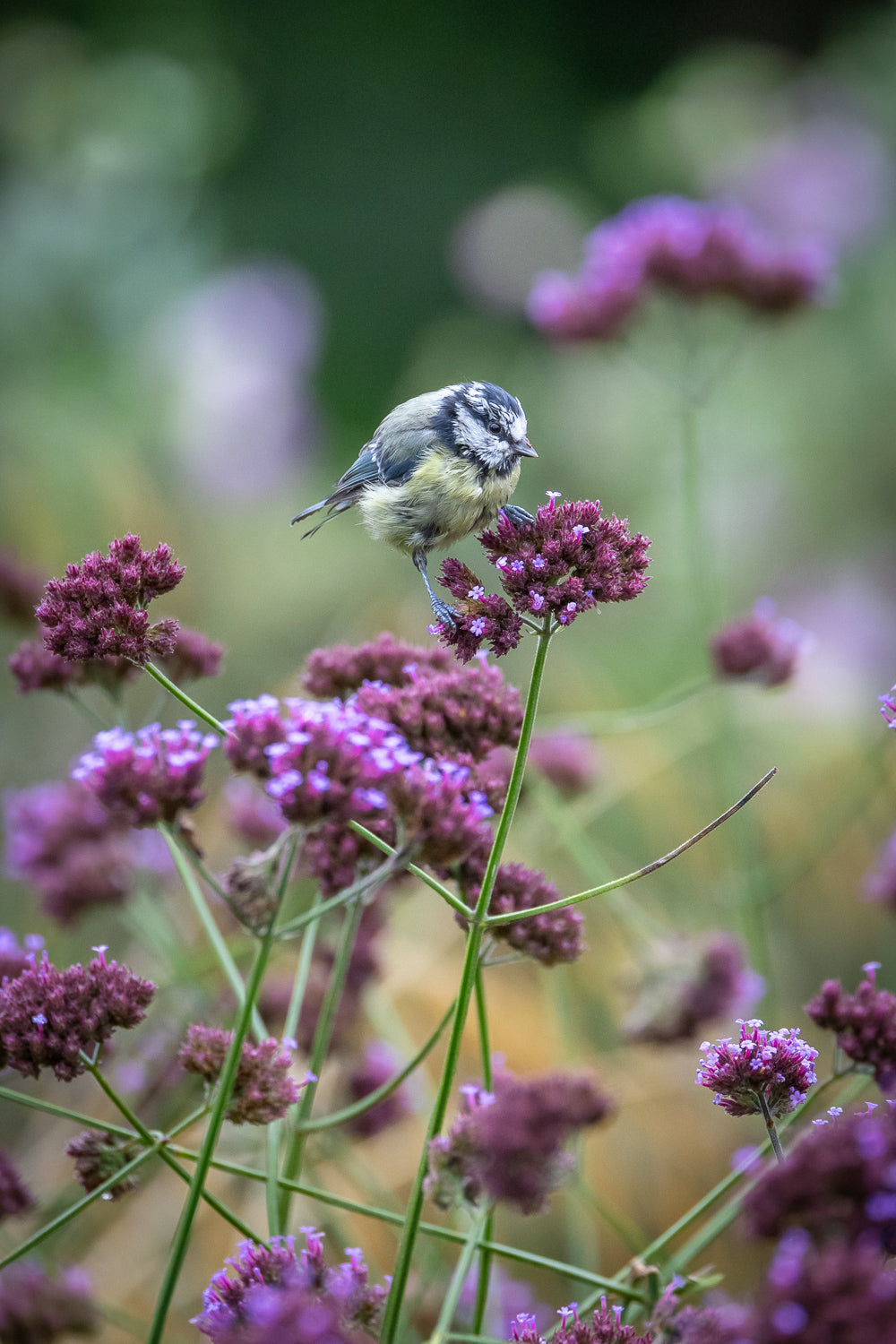
  • Verbena can be deadheaded throughout the flowering period, but it is best to wait until spring for a major cut back. Leave the seed heads in place to provide cover for wildlife and food for the birds, then once new growth begins to shoot from the base, cut back the old woody growth from the previous year.

  • Deer will only eat verbena if there is absolutely no alternative as they tend to avoid aromatic foliage. Rabbits do not eat verbena either.

  • Most verbena flowers have very little scent, but their foliage can be quite aromatic. The most scented is of course Lemon Verbena, but whilst this is in the same plant family it is not a true verbena.

  • Yes, all verbenas are perennial, but some are grown as annuals as they are not hardy in our climate and are so easy to propagate from cuttings or seed.

  • This really depends on the variety. The tallest is Verbena bonariensis that can be 1.5m tall – whilst the trailing Verbenas for containers rarely get above 30cm.

  • Some do, some don’t. Verbena bonariensis is famous for it – particularly in gravel paths rather than in the border. Verbena rigida does as well, but the tender container varieties are best propagated from cuttings.

  • Some varieties will self-seed, and Verbena rigida also spreads with underground rhizomes. Most clumps will simply bulk up if they are happy with their conditions.

  • There are very few reported cases of this, but if they were to eat the leaves or flowers it is likely to cause stomach problems.

  • Verbena will grow in partial shade but will not flower well.

  • The edible form is Lemon Verbena which is actually in the same family but not the same genus - it is Aloysia triphylla. This is used as a herb and to make an aromatic herbal tea. Verbena officianalis is also used in herbal preparations and teas but is not eaten as such.

  • Most verbena are quite fast growing once the weather starts to warm up. Verbena bonariensis is possibly the fastest - growing up to 1.5m per season before dying back down in the winter.

  • Some of the more tender varieties are evergreen in a warm climate. The hardier types lose their leaves and even die right back to the ground in the winter.

  • Verbena is pronounced: vuh-bee-nuh.

  • It depends on the variety and on your own climate and soil conditions. Verbena bonariensis, hastata, officianalis, and rigida are the hardiest.

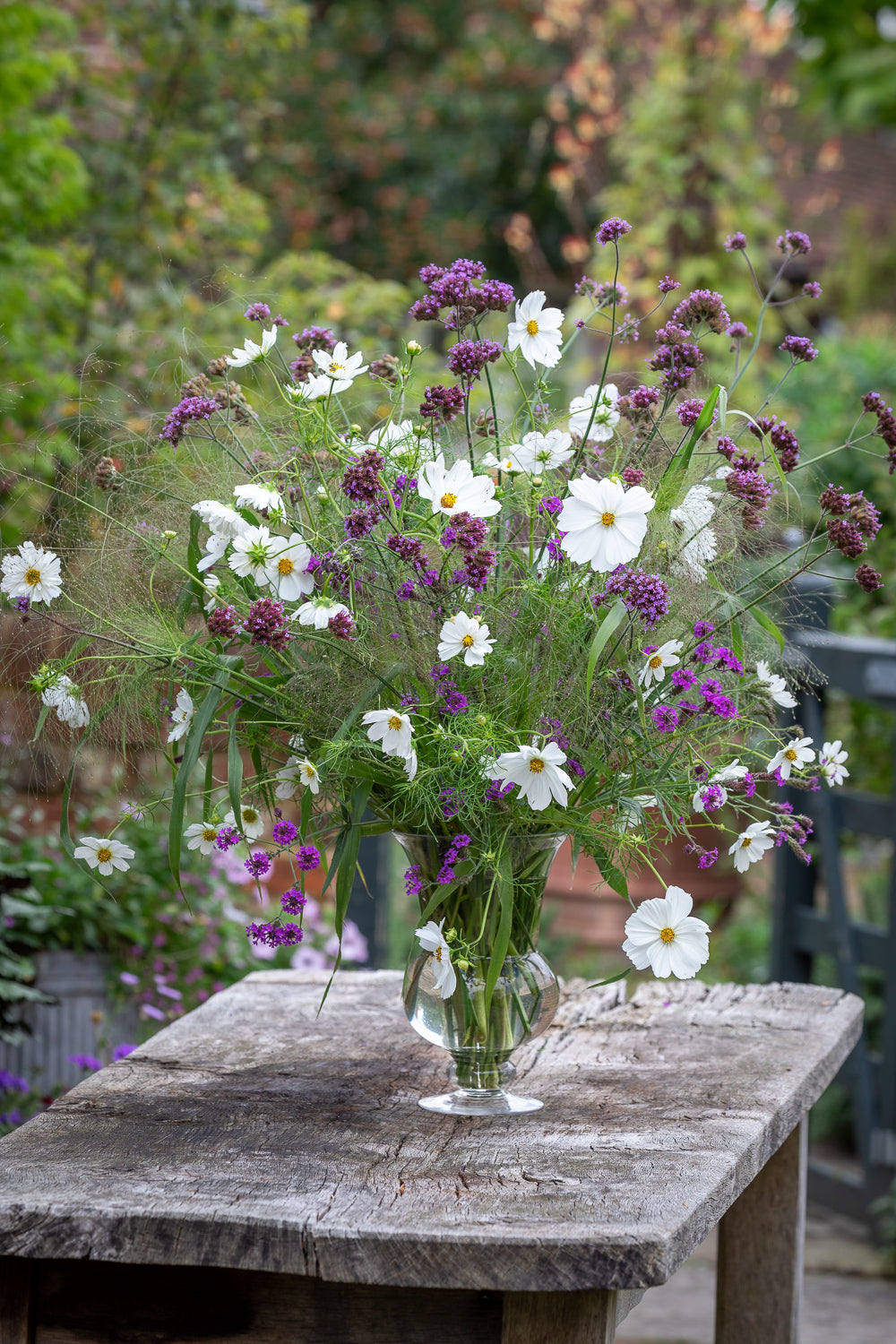
Verbena bonariensis gives height to any flower arrangement and lasts well in a vase, particularly if you sear the stems in boiling water first.

Selected by Sarah
Cared for by experts
Guiding you to success
Is in our nature

Spend a further £60 to receive free standard delivery

Your basket is empty.