The cutting garden
Sowing & growing
- Plant out and transplant biennials.
- Divide and replant perennials to ease any congested areas. Later in the month bring tender perennials, such as pelargoniums, inside to protect from the frosts.
- Continue sowing hardy annuals for early flowering next year – you'll get bigger, better plants which can flower a good six weeks earlier than those spring sown. For example, briza, bupleurum, calendula, centaurea, Papaver rhoeas, Papaver somniferum, and scabious can all be direct sown now. Remember to keep them weed free as they germinate.
- Clear your annuals as they go over and add them to the compost heap.
- Sow a pack of Viola 'Heartsease' to flower in about eight weeks' time, right through winter.
- Hunt for self-sown seedlings of hardy annuals and biennials, such as English marigolds (Calendula), honeywort (Cerinthe) and honesty (Lunaria), where you’ve had them earlier this year. If they are overcrowded where they’ve sprung up, transplant them, spacing them 12in (30cm) apart. Or create a line in a cutting patch to harvest flowers next year.
- It's urgent to get wallflowers in place now. These spring-flowering biennials need to get their roots down well before flowering.
- Sow yellow rattle. This is key to the success of any wild flower patch as it reduces the vigour of certain grasses. We devised a good system at Perch Hill, creating circles of almost bare soil with a swish of a strimmer, then scattering seeds direct into these.
Bulbs & tubers
- Now is a good time to start planting your spring bulbs – the ground will still be nice and warm from the summer months, and it gives plenty of time for the new roots to bed in before the spring sunshine arrives.
- Inside, have a go at forcing some hyacinths or amaryllis now for colour over the festive season.
- Plant pots of smaller bulbs such as muscari, iris, crocus, chionodoxa, scilla and anemones. Keep watered during the winter if we have any dry spells (but lift off the ground to prevent waterlogging which is just as bad) to provide pots full of colour for the spring.
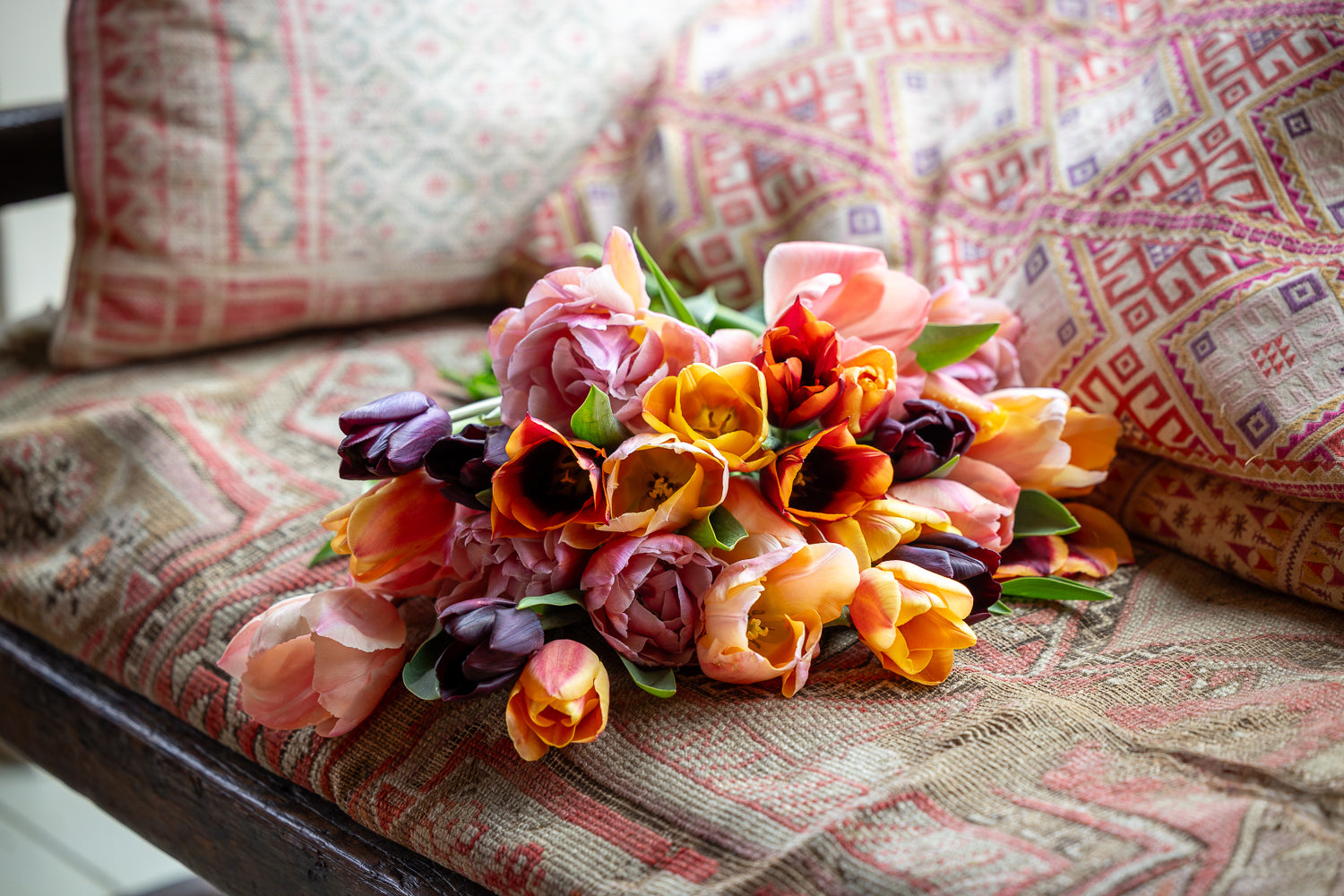
- Plant a layered pot of bulbs, known as a “bulb lasagne”, for your doorstep, with the largest and latest flowering bulbs at the lowest level (with at least 6in of soil/compost below the bottom of the bulb) and early flowering, smaller bulbs on top. Excellent combinations are crocus above early tulips (e.g. single varieties such as ‘Prinses Irene’ and ‘Couleur Cardinal’), or try an early grape hyacinth (Muscari azurea) on top, with a late tulip (‘White Triumphator’) below. Top-dress with grit to keep the pot looking good through winter. Watch Sarah make a bulb lasagne in our video guide.
- Plant small bulbs in to your lawn. Think of jazzing up an area of lawn or rough grass with crocuses such as C. tommasinianus, C. vernus and C. chrysanthus hybrids. All are happy in thick turf with the sun fully on them.
Harvesting
Lovely things to pick and arrange from your garden in September:
- Bulbs: gladioli and acidanthera
- Hardy annuals: Euphorbia oblongata, sunflowers and scabious
- Half-hardy annuals and dahlias: all
- Perennials: Euphorbia ceratocarpa, salvias, heleniums, phlox, echinacea, rudbeckias
- Shrubs and trees: hydrangeas, Viburnum opulus, berries and leaves.
Pick a large bunch of late-flowering phlox, such as the pure white ‘Mount Fuji’. It thrives in sun and shade. Strip just the bottom leaves and pile tall stems into a simple jug. Add a teaspoon of bleach or slosh of vinegar to keep bacteria at bay. They will last more than a week.
Pick hydrangeas before they are damaged by wind and rain. To make them last as long as possible indoors, float the flowers overnight in a bath of cool water. Then arrange them in a vase with only an inch or two of water. As this evaporates, the flower heads will dry and keep their colour. If you want them to retain their texture but not their colour, add a drop of glycerine to the water too.
Pick a last bunch of roses before they brown. Sear the stem ends in boiling water before you arrange them to make them last as long as possible.